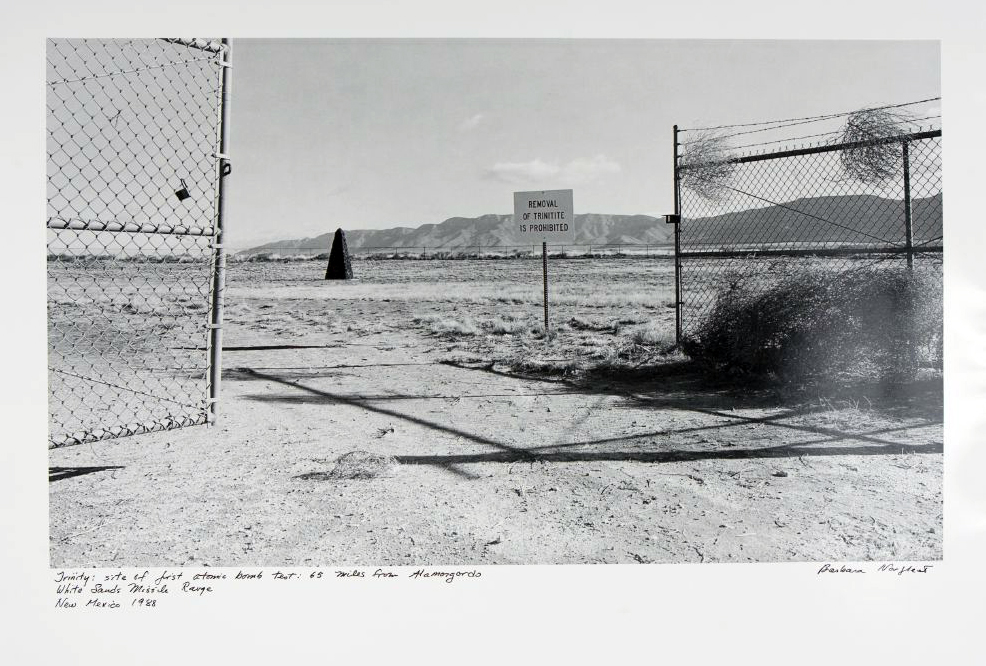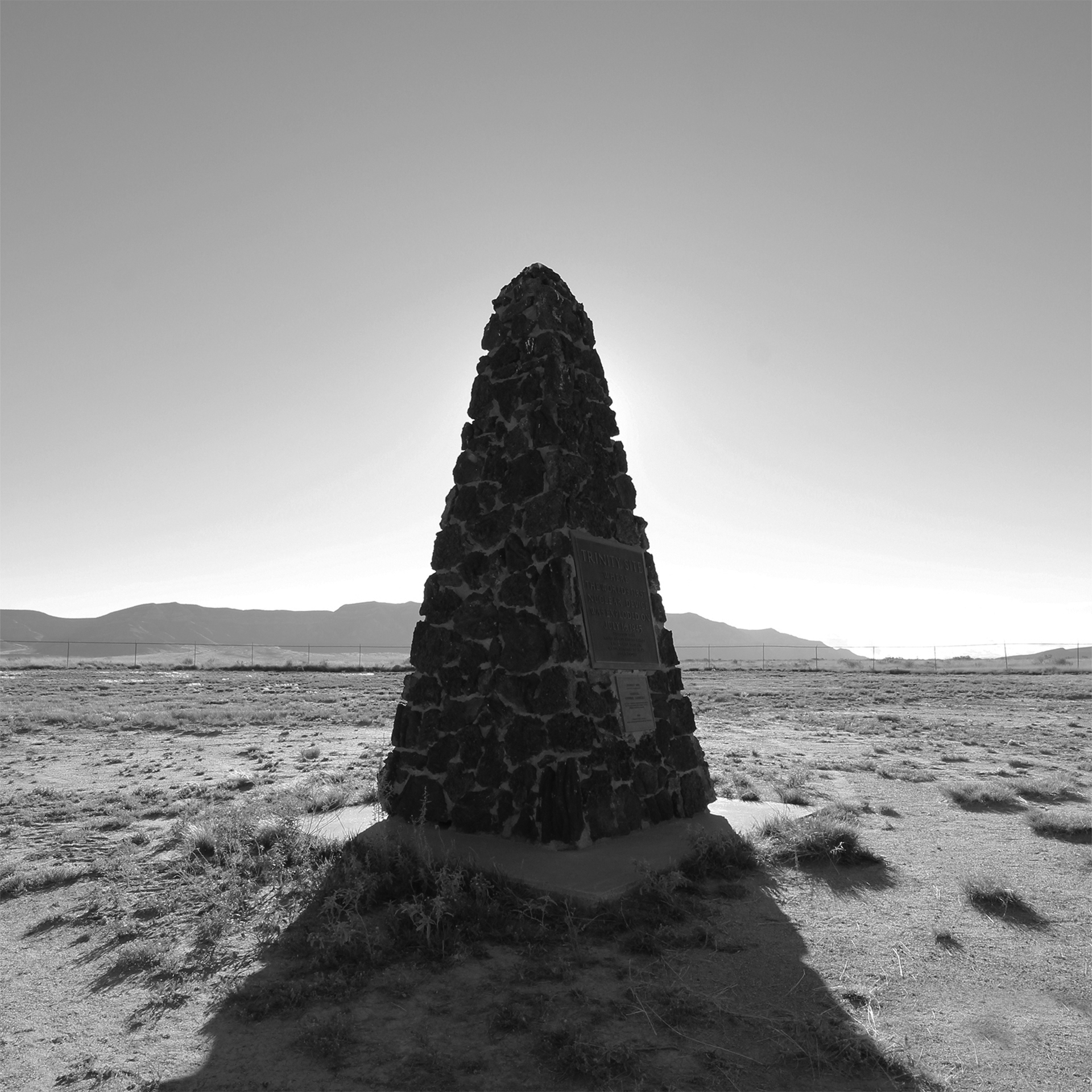
Image by Brett Leigh Dicks
Commemorating the 80th Anniversary of the Trinity Test
July 16, 1945 — July 16, 2025
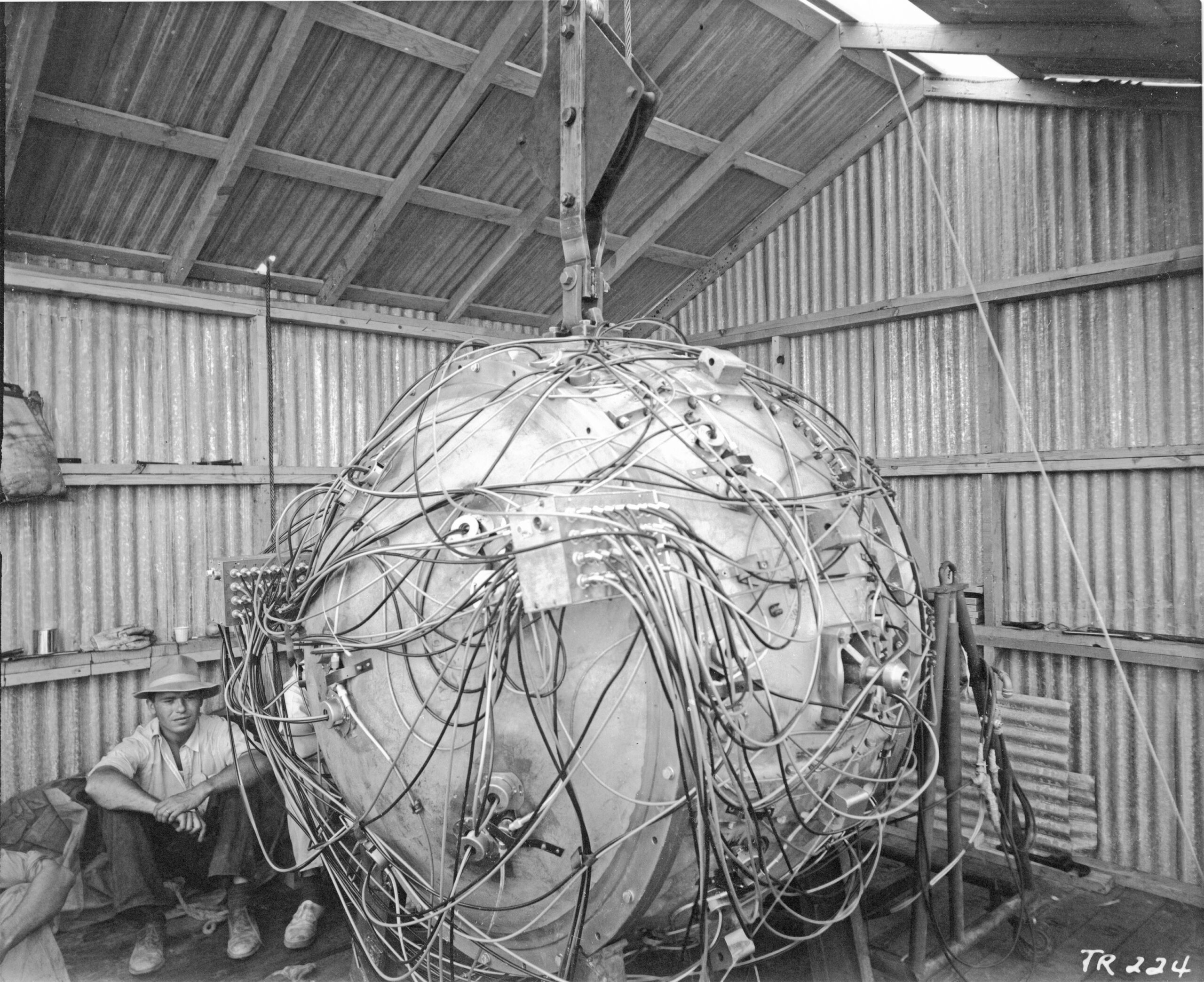
At 5:29 a.m. on July 16, 1945, the world crossed a threshold from which it could never return. The detonation of the first atomic bomb at the Trinity site in New Mexico marked not only the dawn of the nuclear age, but also a profound shift in the trajectory of science, industry, culture, and human responsibility.
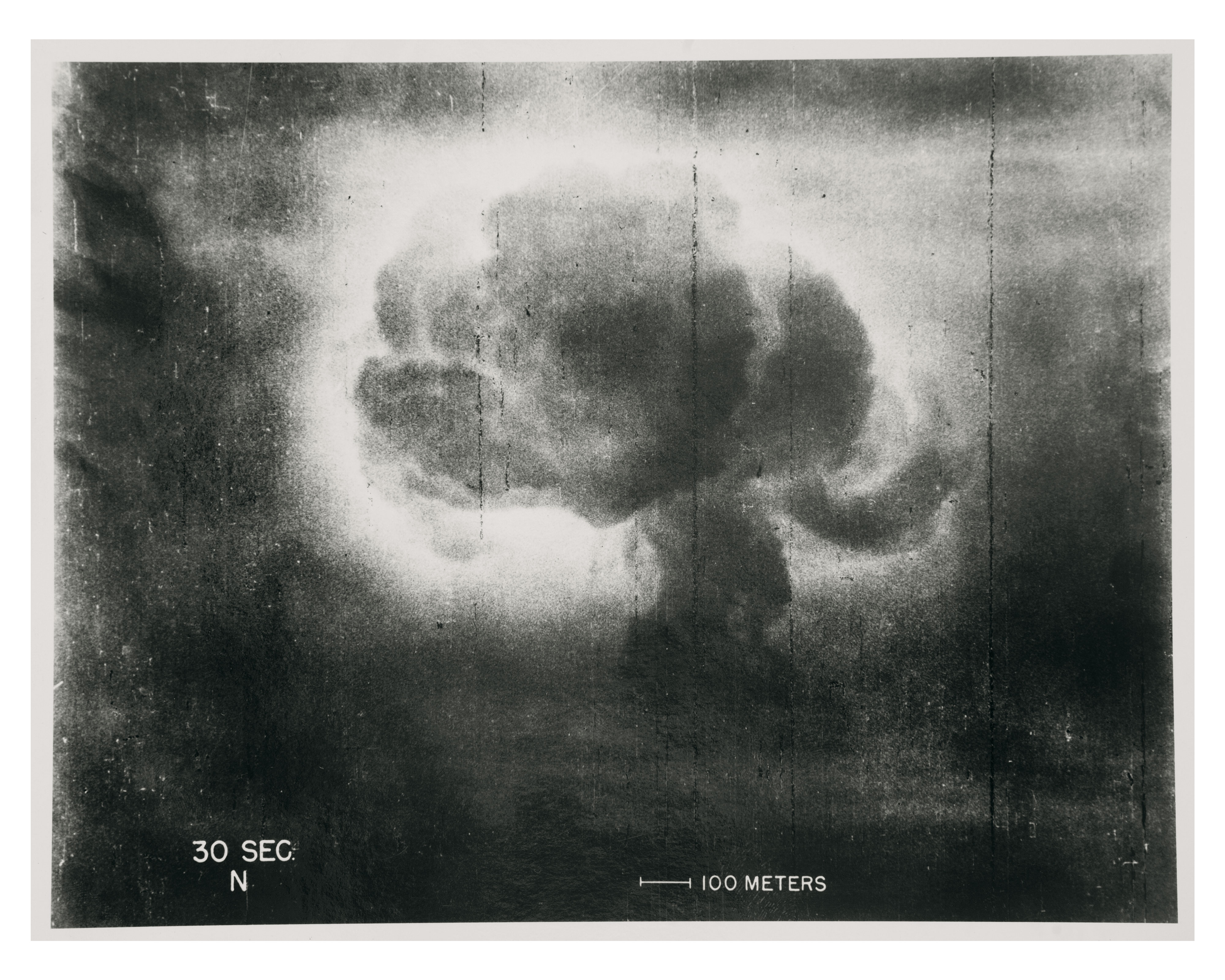
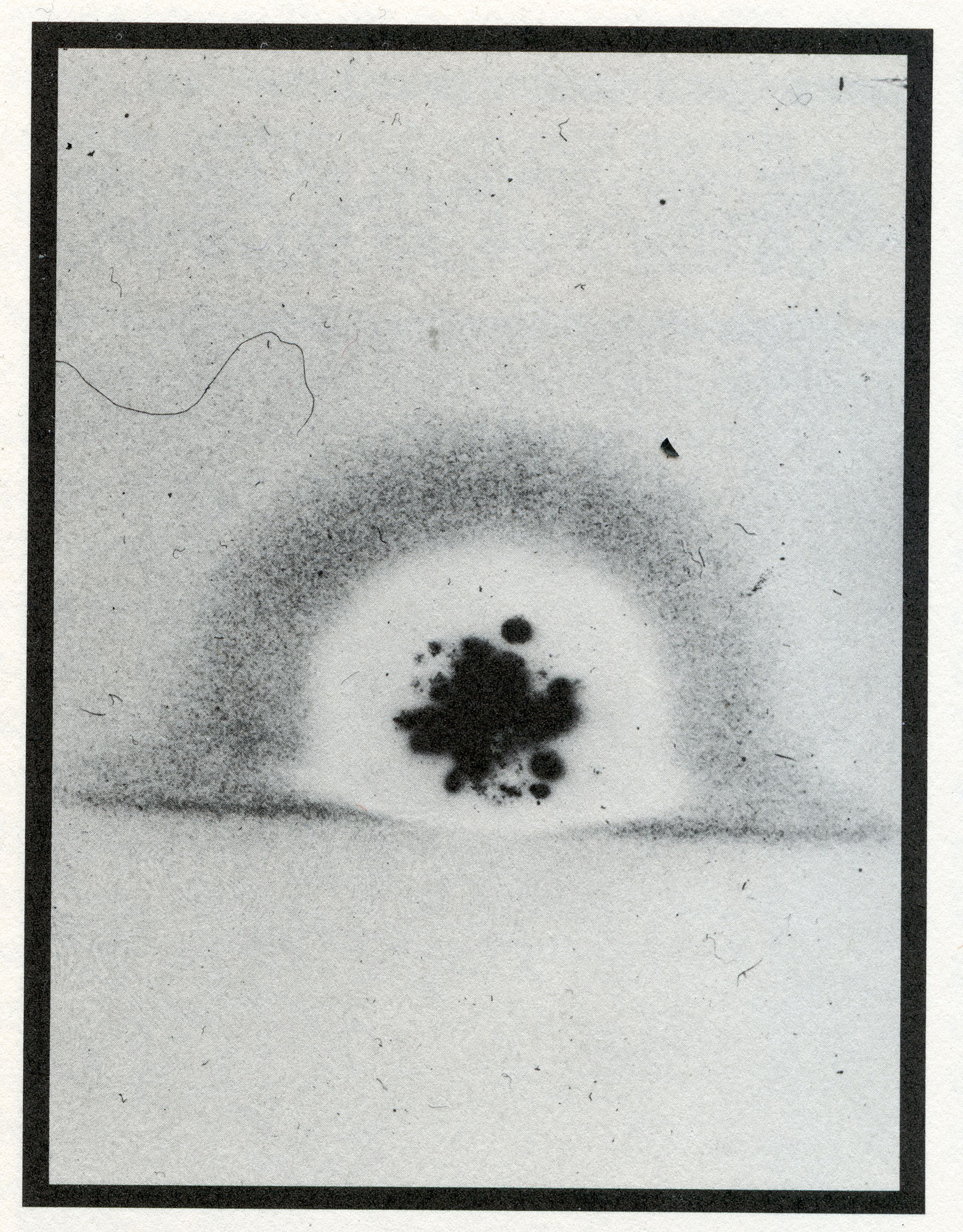
The test was meticulously documented by Berlyn Brixner, the lead photographer for the Manhattan Project and an early member of the Atomic Photographers Guild. (You can read about Brixner on his bio page and at the Bulletin of the Atomic Scientists). Through his lens, the instant of ignition was frozen in time, not just as a scientific achievement, but as a moment of irreversible transformation. His images remain haunting in their clarity, capturing both the triumph of technology and the terrifying scale of its consequences.
In the 80 years since Trinity, the world has wrestled with the legacy of that morning, from the devastation of Hiroshima and Nagasaki to decades of nuclear testing, environmental contamination, and political brinkmanship. Alongside these came extraordinary advances in science: breakthroughs in medicine, computing, space exploration, and energy. But always, the shadow of Trinity remains; the bomb reshaped modern life, influencing art, culture, and public consciousness in ways that are still unfolding today. The atomic age gave us unprecedented knowledge, and with it, an unprecedented burden. The split atom revealed both the vastness of human ingenuity and the fragility of human judgment.
As members of the Atomic Photographers Guild, we carry forward the work of documenting the nuclear era, its history, its human cost, and the urgent questions it continues to pose. On this anniversary, we reflect not only on what was unleashed at Trinity, but on the responsibility that comes with bearing witness. To remember Trinity is not only to look back, but to look inward and to ask what it means to live in the long shadow of that light. For many of us, that question has been at the heart of a lifelong practice. Atomic Photographers Guild Founder Robert Del Tredici offers this reflection on the anniversary:
“There are many ways to think about the Bomb. When accolades surround it for maintaining world peace, this bomb proves it is our friend for life. When enemies move forward to destroy it, the world can break into flames. The Bomb’s cosmic power makes it the most fearsome invention humans have ever made and have ever tried to contain.
Kenneth Bainbridge was director of the world’s first atomic test. After the Trinity blast succeeded he walked over to Oppenheimer and offered his congratulations. Then he paused, and then he said, “Now we are all sons of bitches.” Oppenheimer said this statement was the most important thing anyone told him on that day.
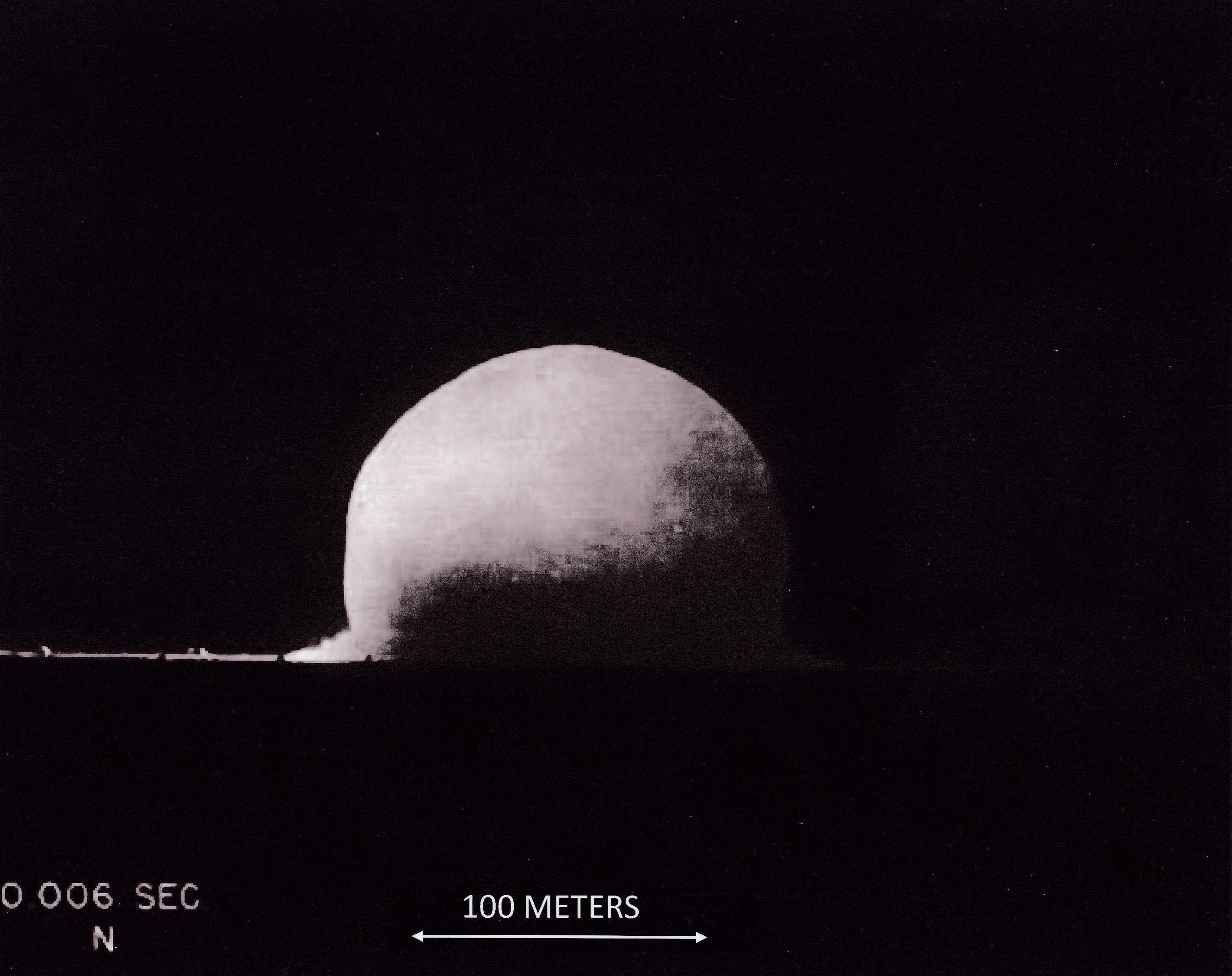
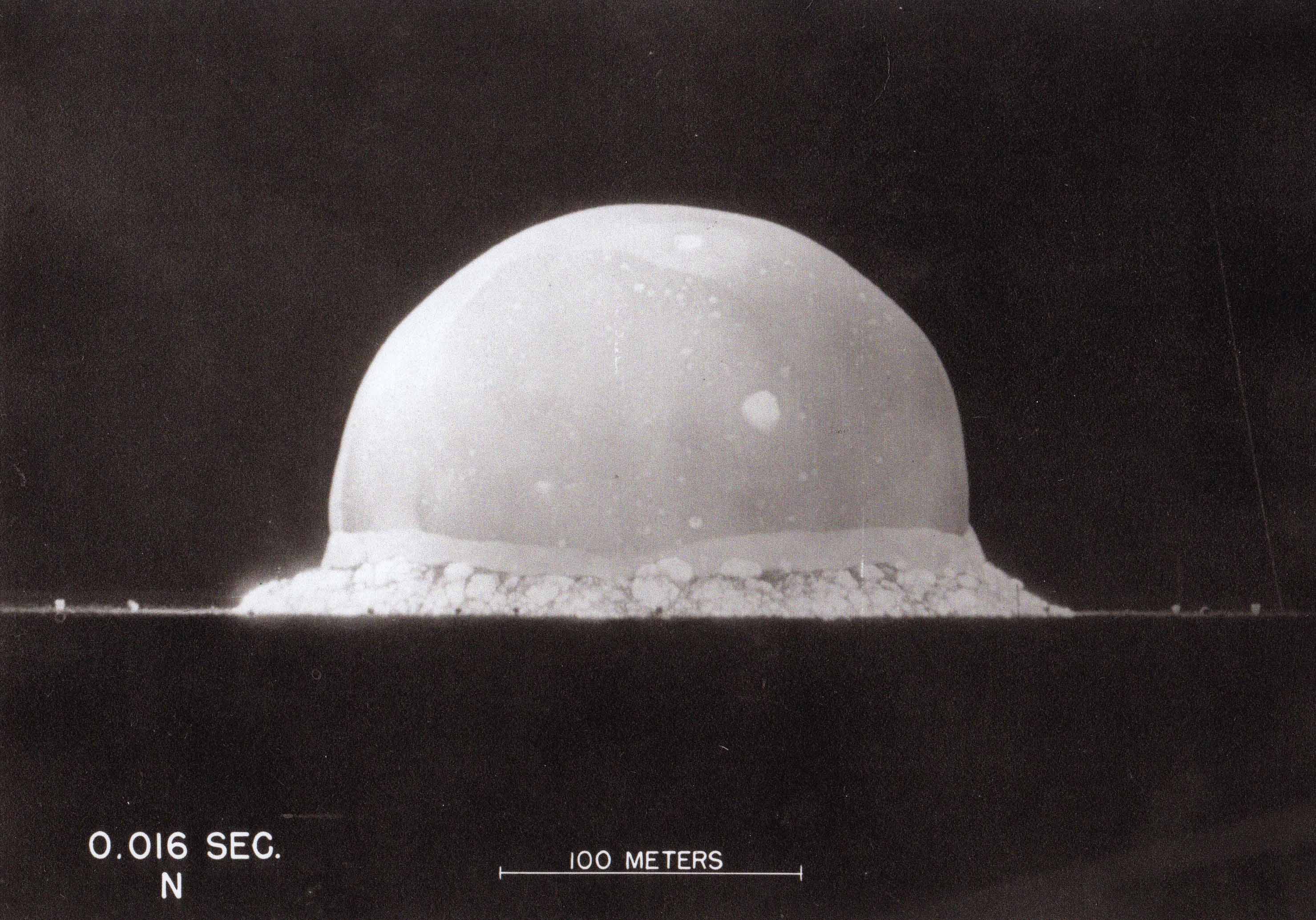

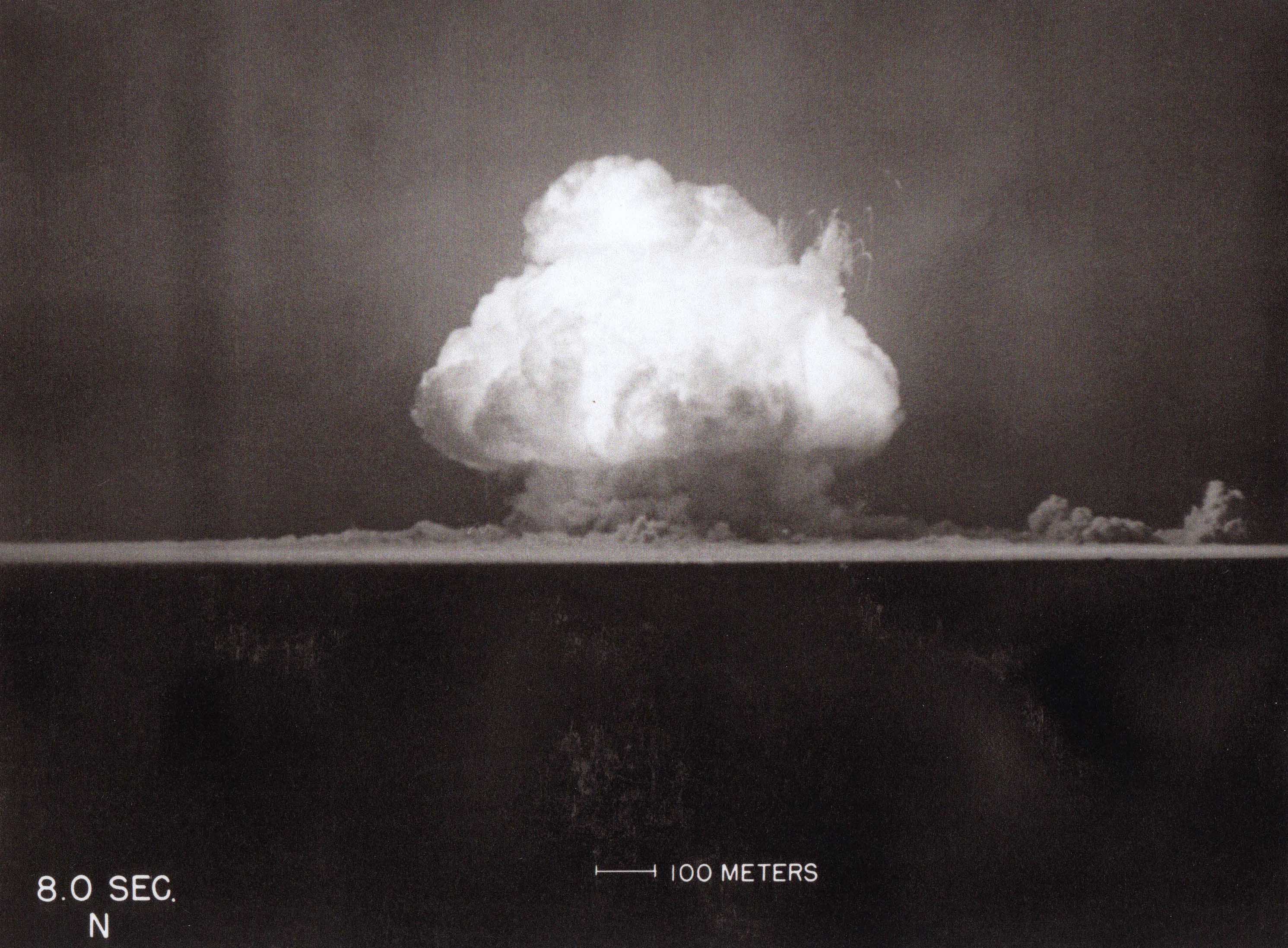

Sequence of the world’s first full nuclear test, Trinity, by APG Member Berlyn Brixner, July 16, 1945
In short order physicists were readying a-bombs for Japan. A discussion had taken place about its delivery. Some felt a night explosion high over Hirohito’s Tokyo palace would do the job. Witnesses would see the Bomb’s brilliance and feel its heat and blast without paying for the experience with their lives.
But Bainbridge’s sons-of-bitches wanted more. They wanted drama, carnage, and death. Bainbridge thought a first strike without warning would create the “foul and awesome display” for the world premiere of these two new bombs.
This August we commemorate the 80th anniversary of these same bombs. I cannot help but wonder what we’ll be up to twenty years beyond this 80th. Will the bomb have become folklore? Or will we still be taking money out of miracle accounts for even better bombs? Or talking to leaders on the non-proliferation fence? Or still holding firm the conscience that our mothers gave us, if it’s not by now lying in the dust?”
WORK BY APG MEMBERS ON THE 80TH ANNIVERSARY OF TRINITY
KEI ITO: “All That the Shadows Hold”
On the morning of July 16, 2025, Ito traveled with filmmakers Roger Okamoto and Alex Zhuravel to a site near the original test grounds, where the rising sun roughly aligns with the direction of the Trinity fireball. There, Ito unrolled 100 feet of light-sensitive photographic paper across the desert floor, exposing it to the first light of day.
The resulting sun-fused scroll—eventually transformed into a completely blackened roll—serves as a visceral, abstract record of light, memory, and loss. By aligning the solar exposure with the site of nuclear origin, “All That the Shadows Hold” echoes the devastating flash of the atomic age while drawing on Ito’s own lineage as a third-generation hibakusha.
The work stands as both a gesture of remembrance and a shadow monument—a meditation on what endures in the aftermath of illumination.
Artwork courtesy of the artist Kei Ito


BRETT LEIGH DICKS: Testing Times In The New Mexico Desert
Published July 15, 2025 – Fremantle Shipping News
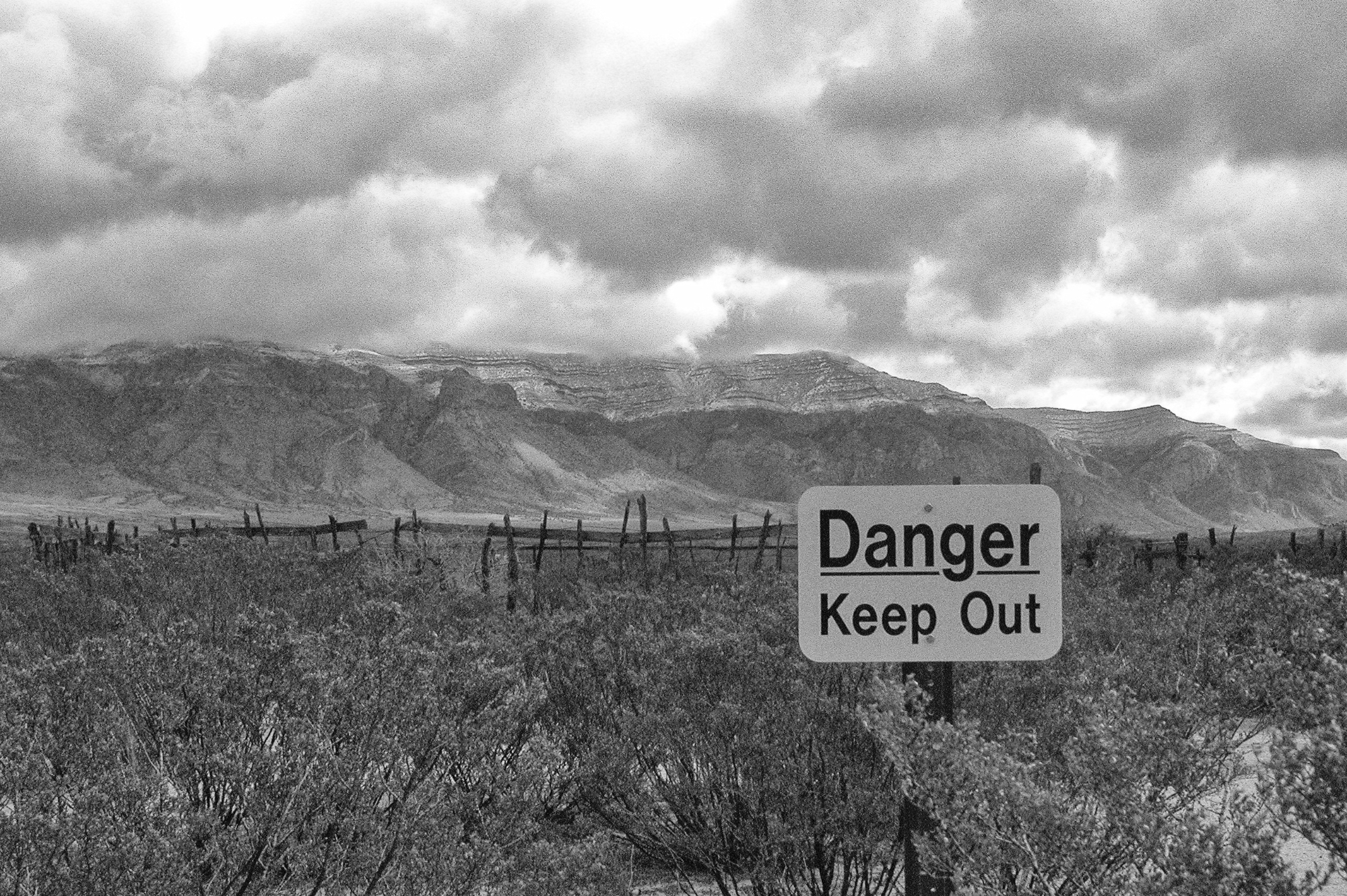
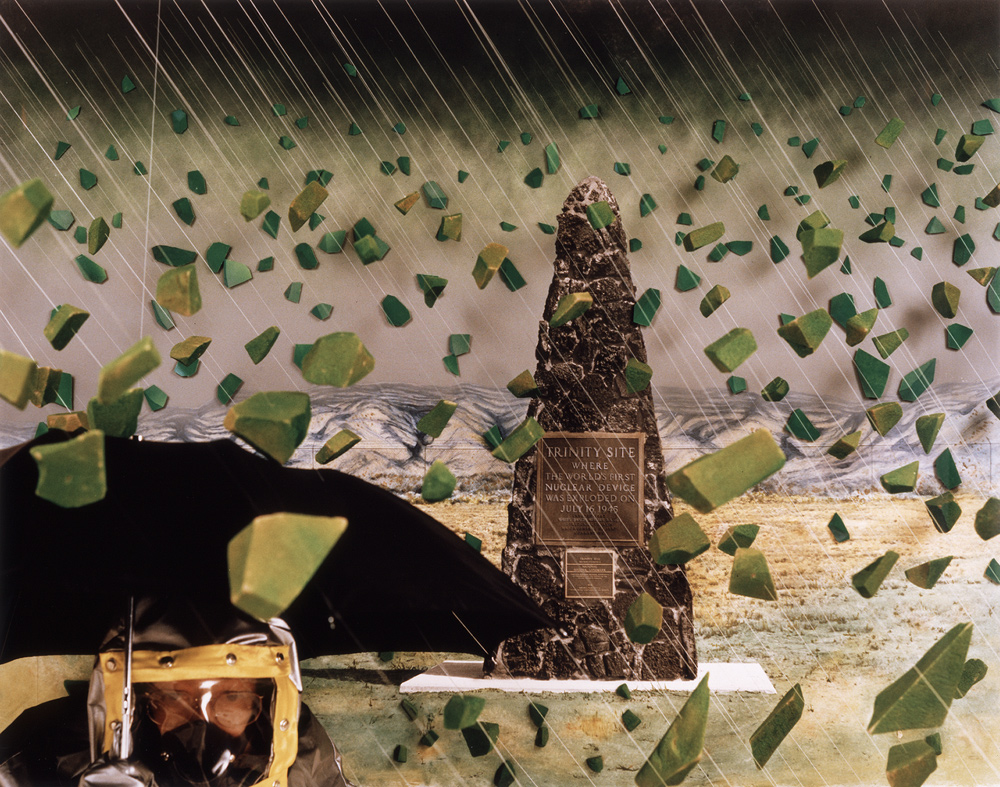
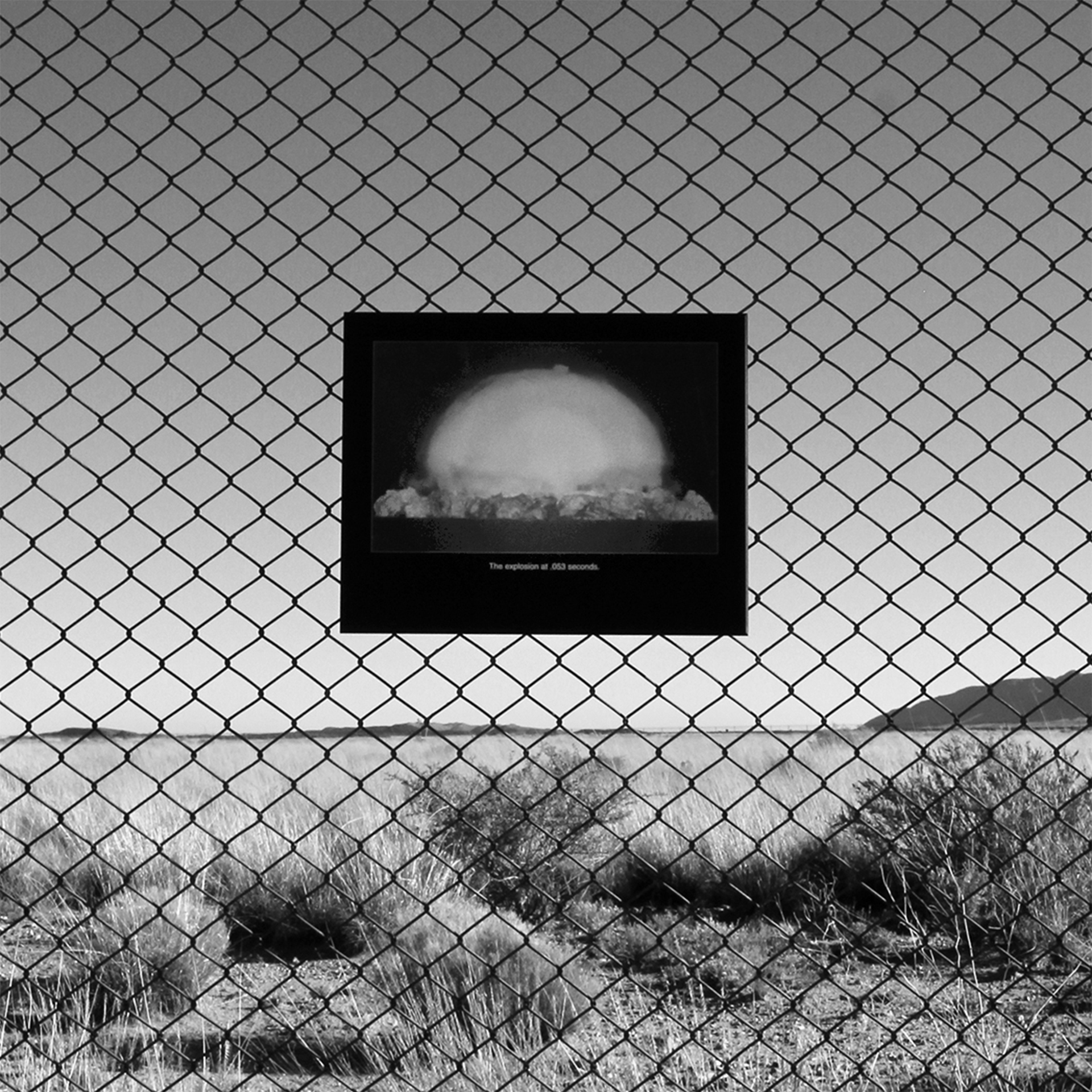
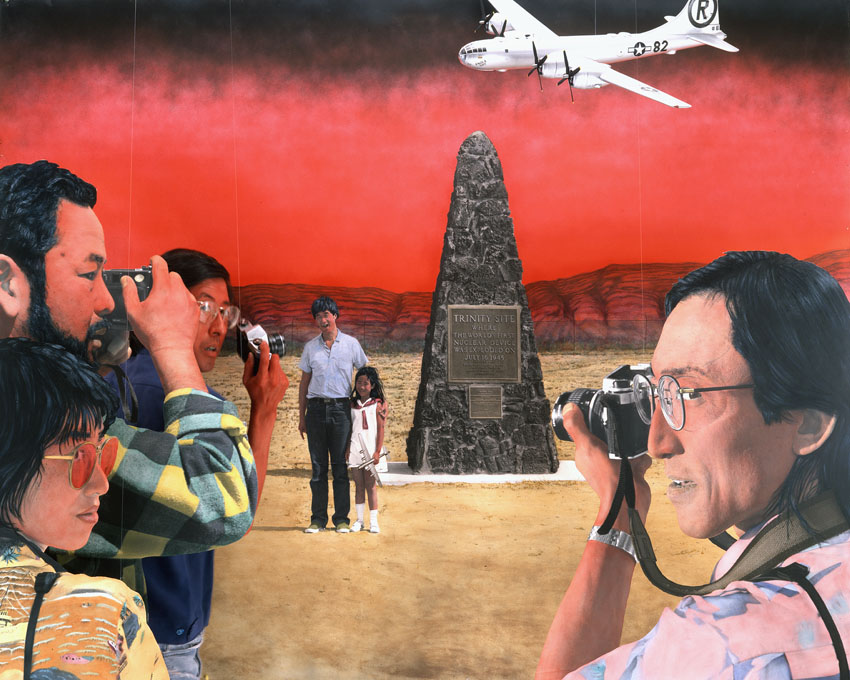
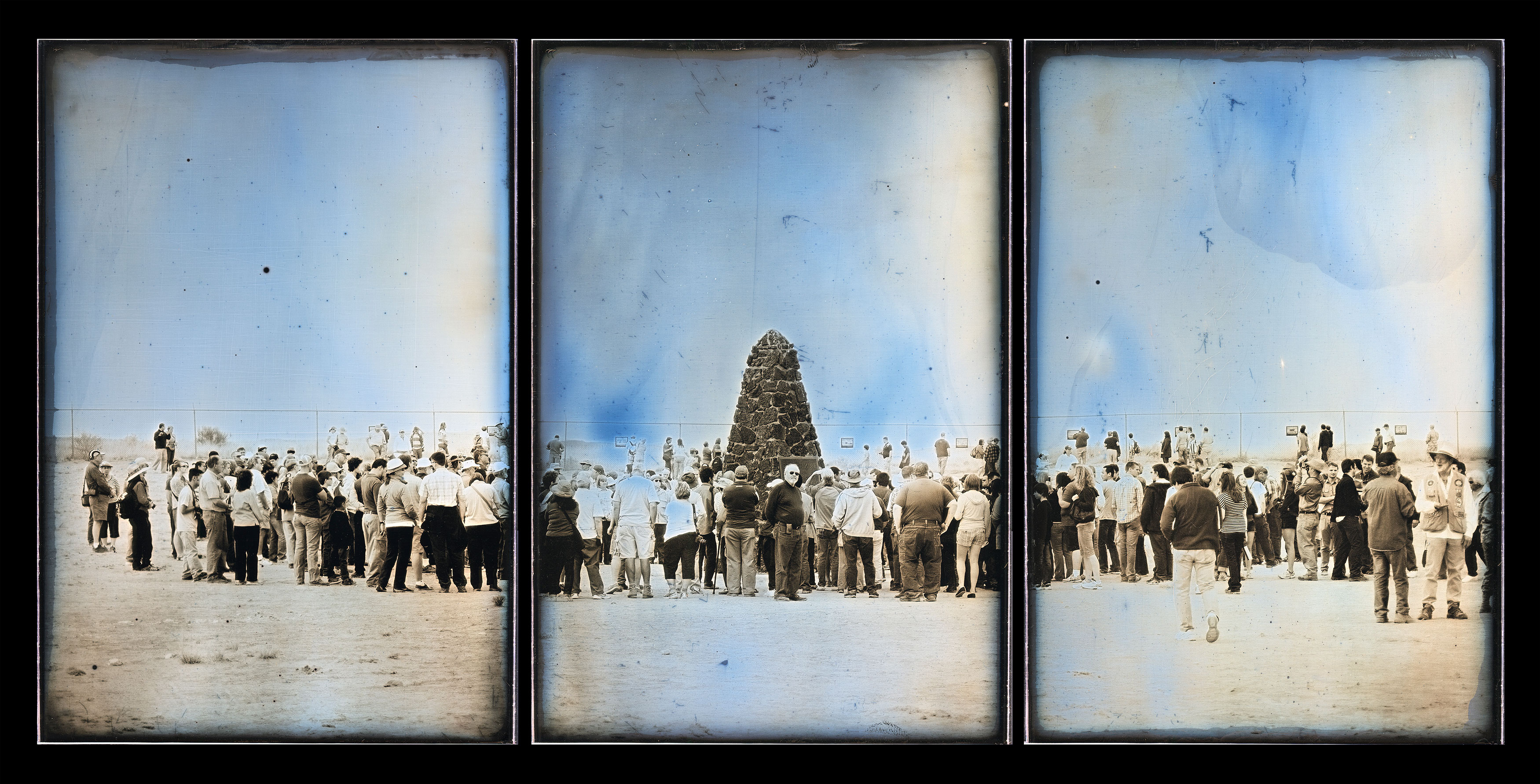
On the morning of 16 July 1945, a plutonium implosion device was detonated atop a 100-foot tower in a remote part of the New Mexico desert. The resulting blast turned night into day and heralded the start of the Atomic Age. Tomorrow marks the 80th anniversary of the test. Photographer Brett Leigh Dicks recently visited ground zero to explore what has atomic tourists flocking to the site 80 years later. Read more.
DANIEL CORDLE: A moment of rupture and rapture: the Trinity Test in literature and culture.
Originally published July 15, 2020 – The Conversation
The detonation of the first atomic bomb at Trinity wasn’t just a military or scientific milestone, it was a cultural rupture. As this article from APG Member Daniel Cordle explores, that early morning in the New Mexico desert has echoed for decades through novels, poetry, film, and television. From Dr. Strangelove to Oppenheimer, we’ve returned to that moment again and again, trying to make sense of it, to narrate the birth of the nuclear age and its terrible promise.
But how we tell the story of Trinity shapes how we understand the bomb itself: as triumph, tragedy, inevitability, or warning. And in an era of renewed nuclear anxiety, these stories matter more than ever.