


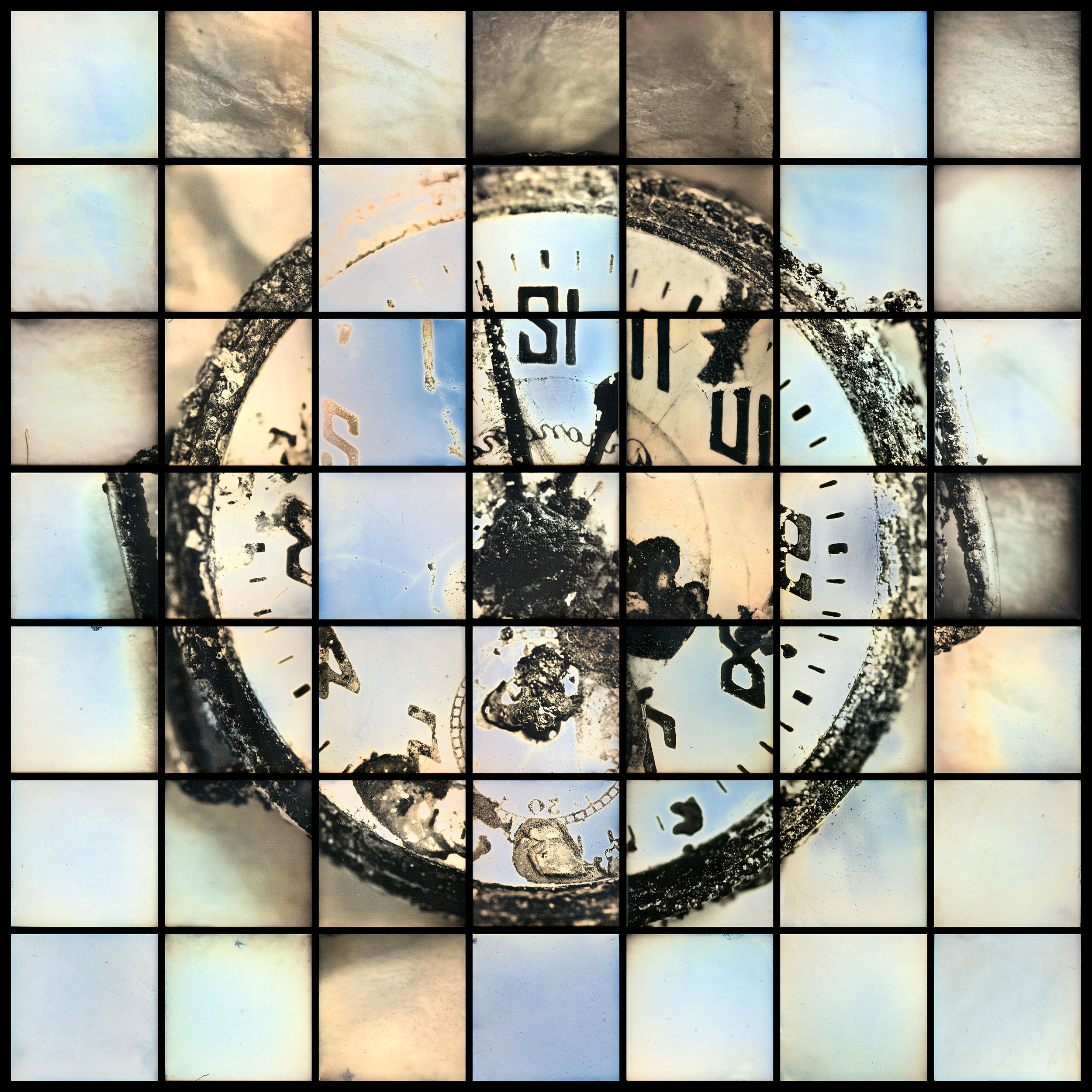
Image by Takashi Arai
Marking 80 Years Since the Atomic Bombing of Hiroshima and Nagasaki
August 6 & 9, 1945 — August 6 & 9, 2025
In August 1945, the United States dropped atomic bombs on the cities of Hiroshima and Nagasaki. In Hiroshima, the bomb detonated at 8:15 a.m. on August 6th, obliterating the city’s centre in a blinding flash of heat and radiation. Three days later, Nagasaki met a similar fate. The destruction was total: tens of thousands were killed instantly, and many more died in the weeks, months, and years that followed from radiation sickness and injuries. The survivors, or hibakusha, faced unimaginable trauma and lifelong health consequences, often in silence or under societal stigma. Together, the two bombings marked the first and only wartime use of nuclear weapons on civilians, ushering in an era of existential threat that continues to shape our world.
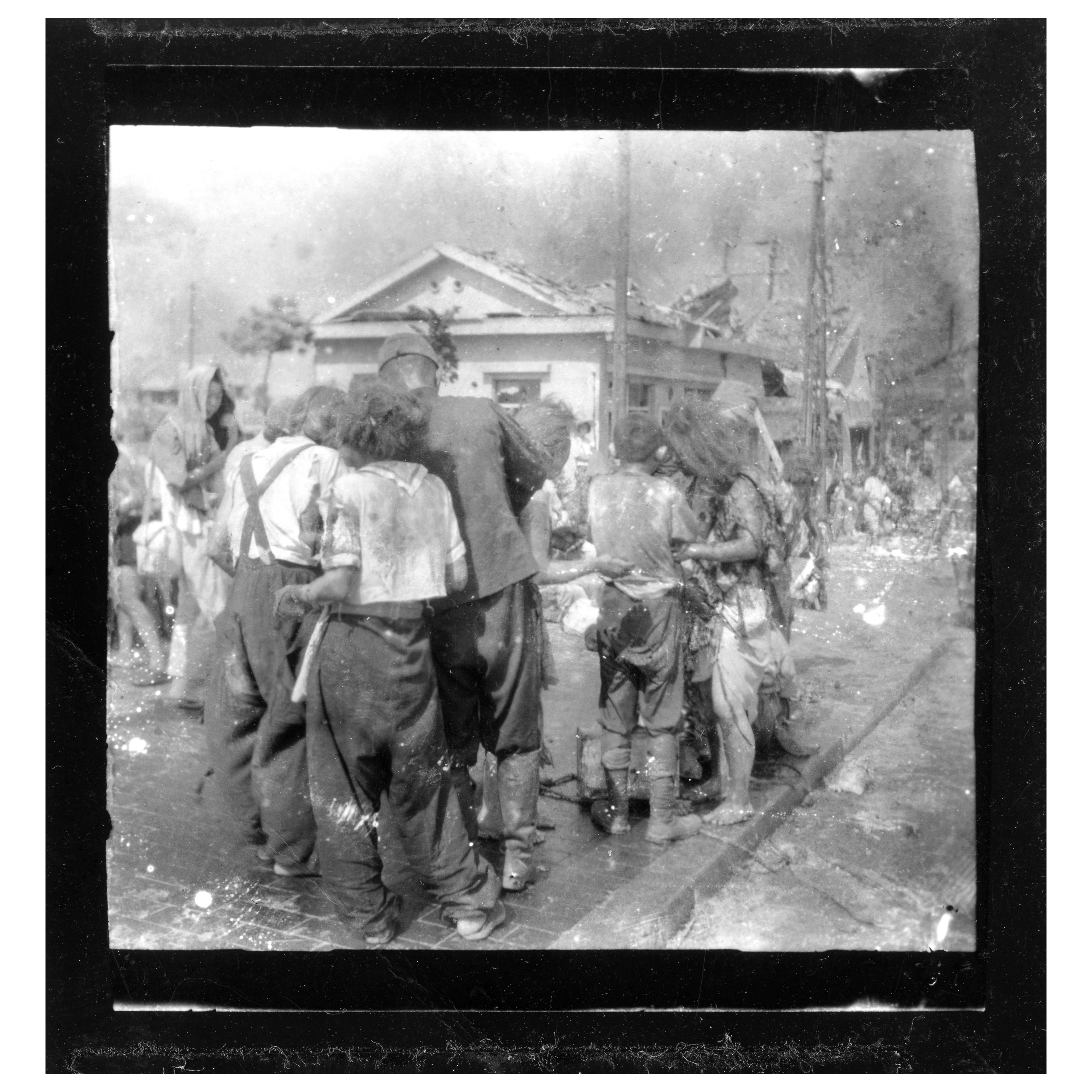
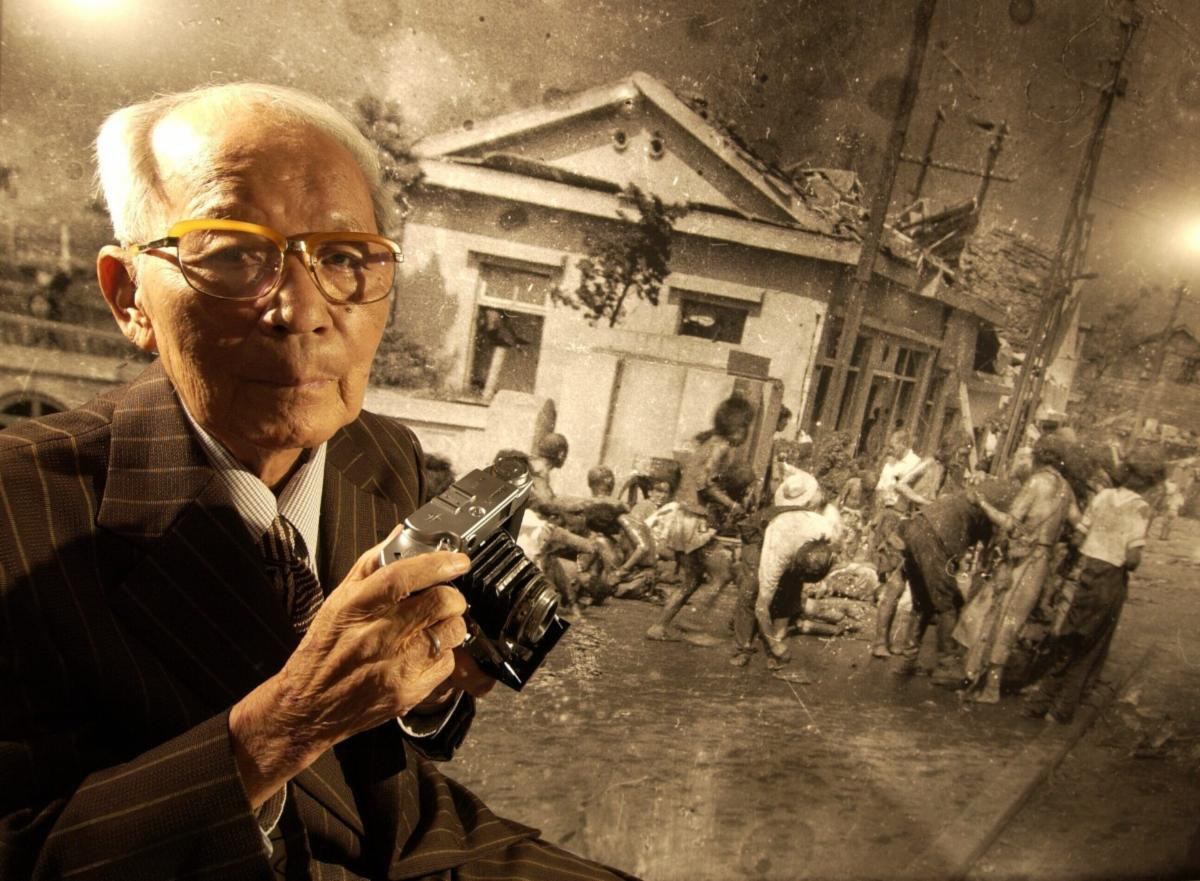
The only photographs taken at the time of the Hiroshima bombing were made by Yoshito Matsushige, a photojournalist and member of the Atomic Photographers Guild.
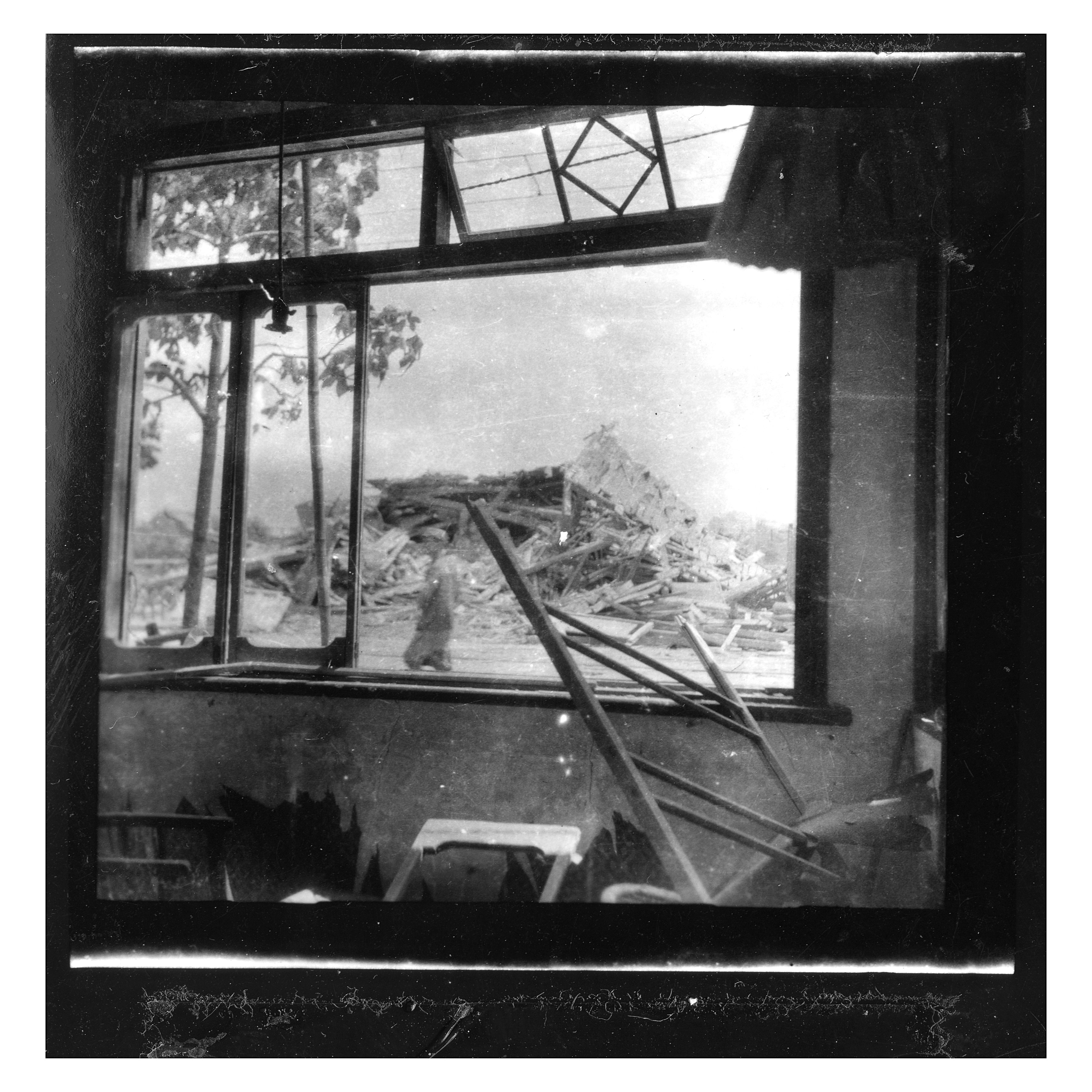
Armed with a single working camera and two rolls of film, he was able to take only five images on the day the bomb destroyed his city. He later spoke of the deep anguish he felt when lifting his camera, so overcome with emotion that he could not capture the most horrific scenes, limiting himself instead to what he could bear to photograph: two shots of high school girls cleaning up wreckage, two taken inside his home, a wrecked fire station across the street, and a soldier, seated with a bandage on his head, filling out food vouchers. These photographs endure not only as historical documents, but as acts of overwhelmingly quiet moral witness. Other members of the Guild also carry personal histories tied to the bombings, among them Kei Ito, whose grandfather survived the atomic bombing of Hiroshima. Ito’s work continues the legacy of intergenerational memory, using photography to confront absence, silence, and the enduring shadow of nuclear war.
In the 80 years since Hiroshima and Nagasaki, those cities have come to stand as global symbols, of loss and resilience, remembrance and resistance. But at their heart are individual lives: parents, children, students, neighbours. To mark this anniversary is to honour them, and to insist that their stories not be reduced to abstract history or geopolitical consequence.
As members of the Atomic Photographers Guild, we remember the victims of Hiroshima and Nagasaki, and we recognize the work of those who, like Matsushige and Ito, have borne witness through images and memory. Their photographs and projects are not easy to confront, but they ask us not to turn away. They remain essential testaments of what was lost, and of what must never be repeated. Below is Matsushige’s own account of the bombing of Hiroshima:
“I had finished breakfast and was getting ready to go to the newspaper when it happened. There was a flash from the indoor wires as if lightening had struck. I didn’t hear any sound, how shall I say, the world around me turned bright white. And I was momentarily blinded as if a magnesium light had lit up in front of my eyes. Immediately after that, the blast came. I was bare from the waist up, and the blast was so intense, it felt like hundreds of needles were stabling me all at once. The blast grew large holes in the walls of the first and second floor. I could barely see the room because of all the dirt. I pulled my camera and the clothes issued by the military headquarters out from under the mound of the debris, and I got dressed.

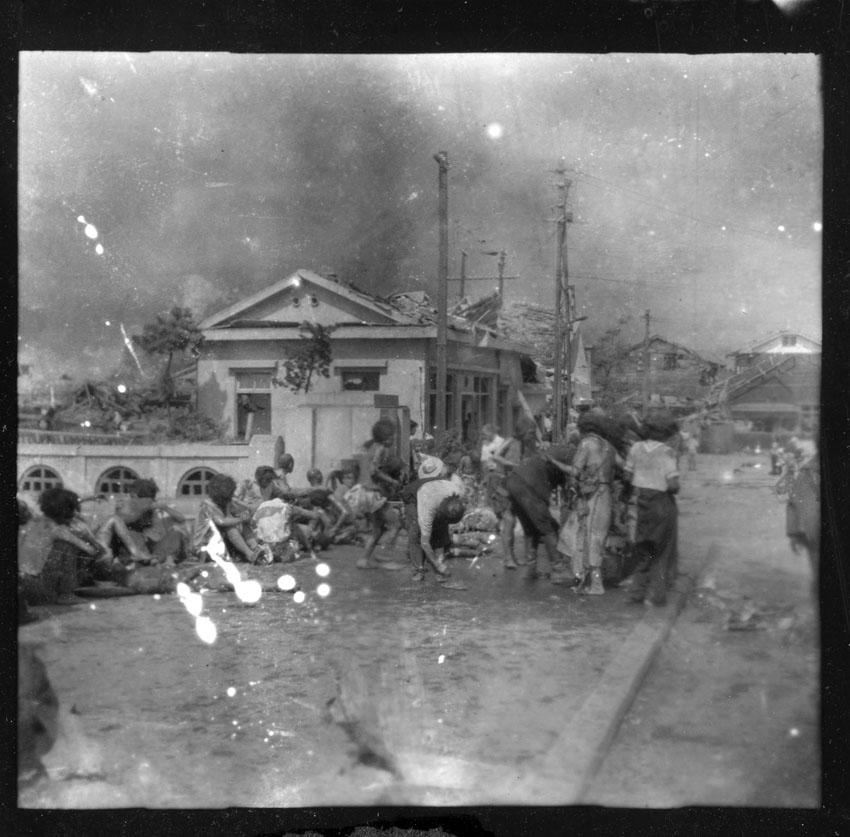

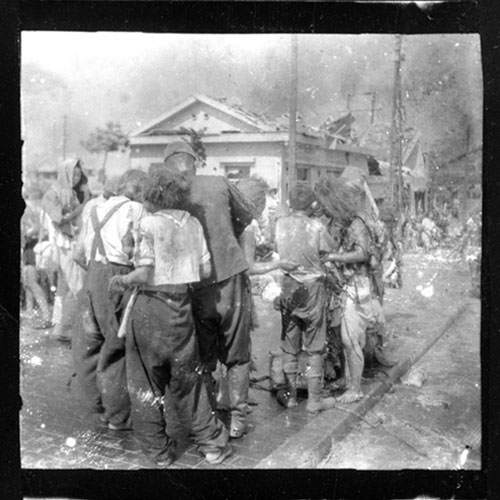

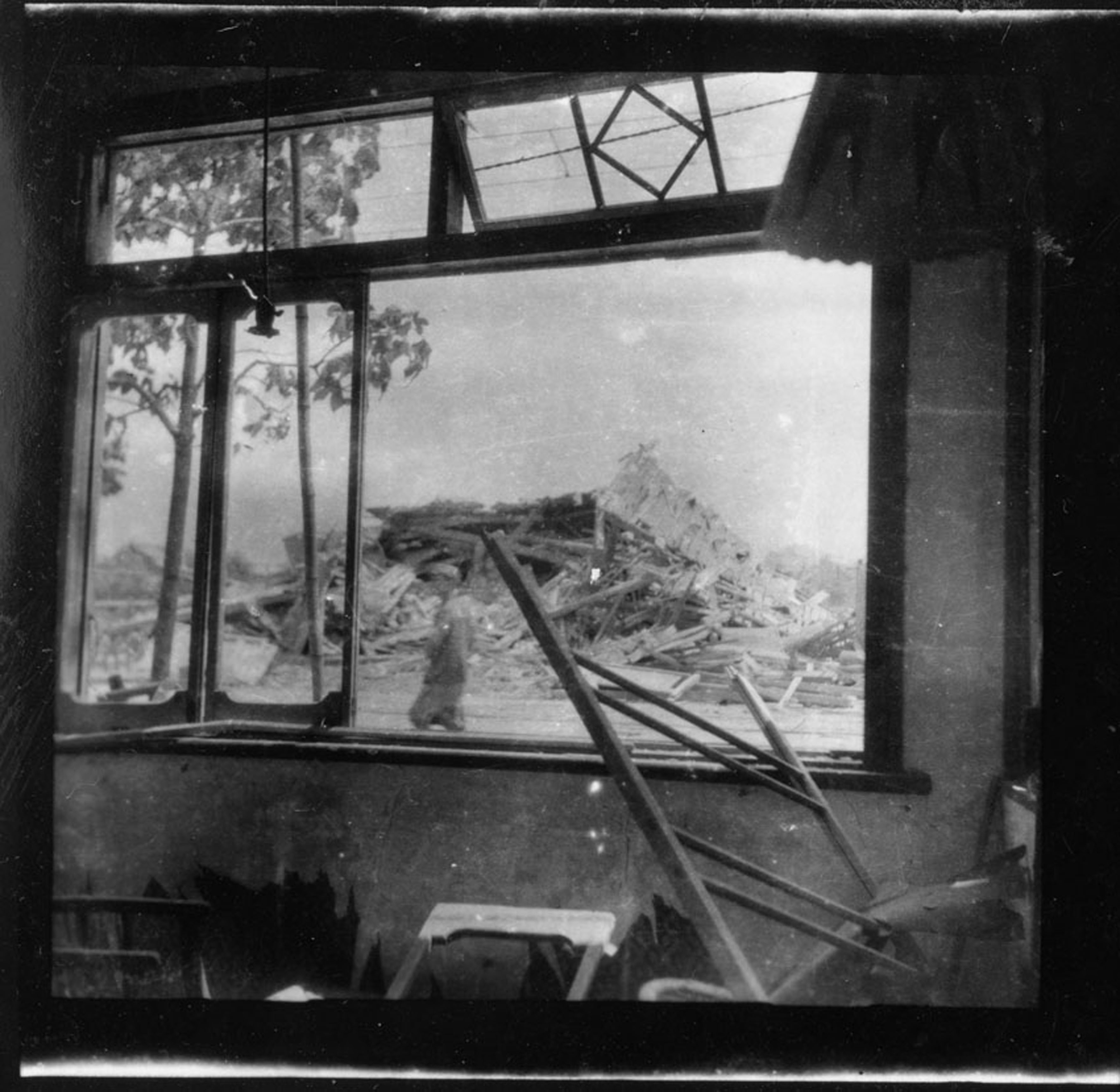

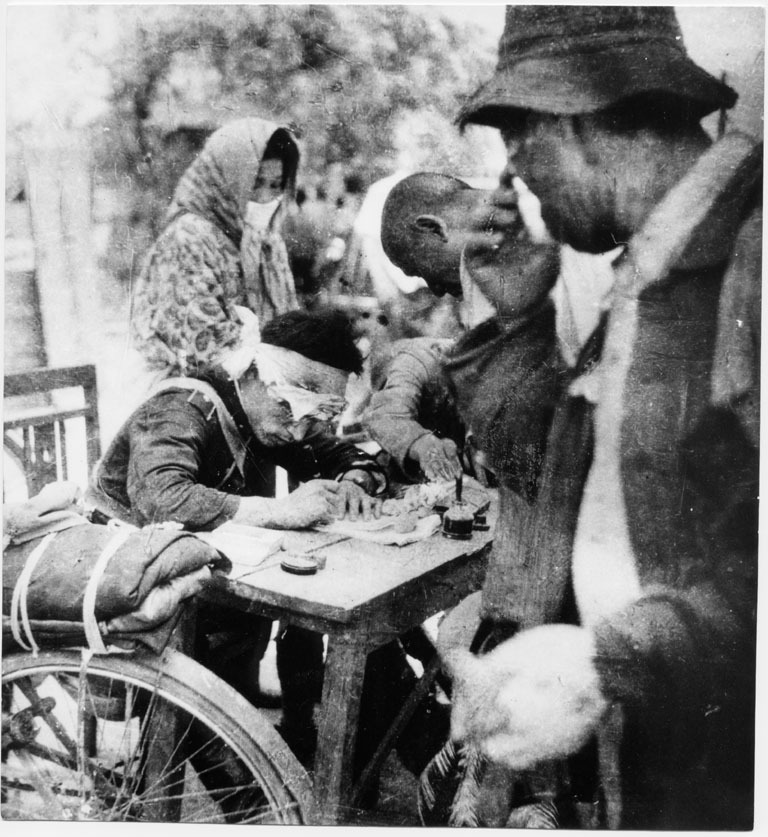

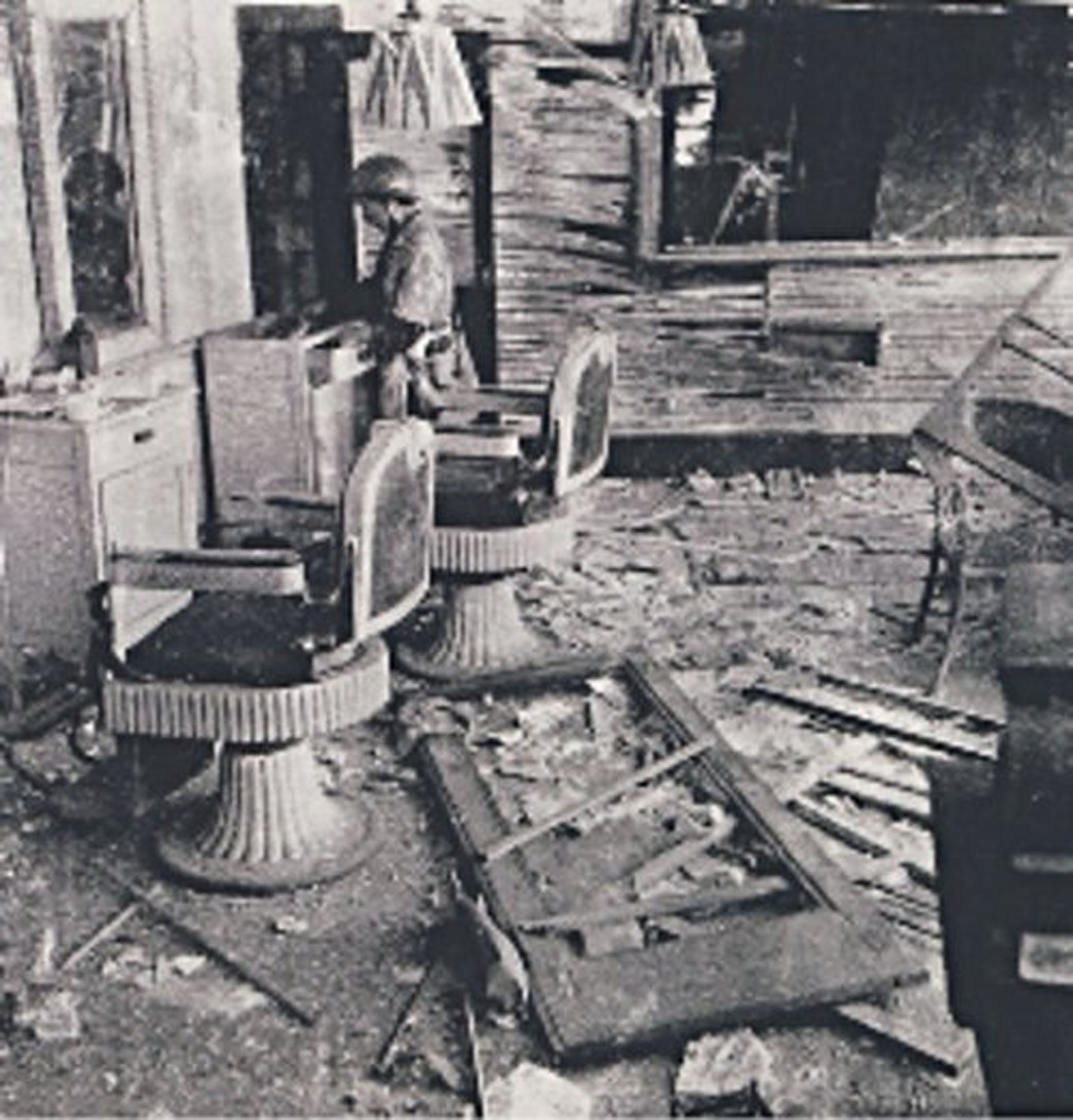
The five images taken by Yoshito Matsushige at the time of the atomic bombing of Hiroshima on August 6th, 1945
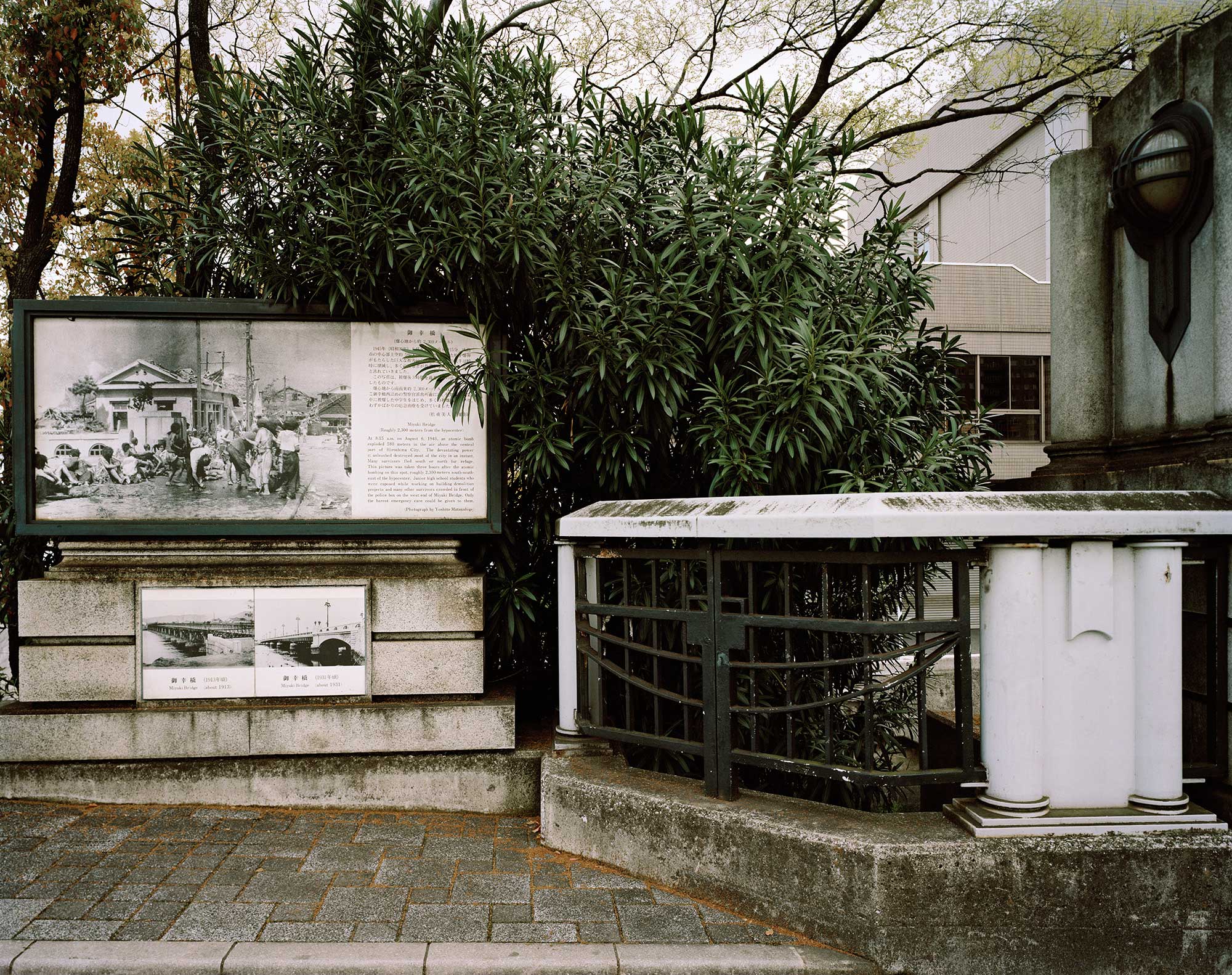
I thought I would go to either the newspaper or to the headquarters. That was about 40 minutes after the blast. Near the Miyuki Bridge, there was a police box. Most of the victims who had gathered there were junior high school girls from the Hiroshima Girls Business School and the Hiroshima Junior High School No.1. They had been mobilized to evacuate buildings and were outside when the bomb fell. Having been directly exposed to the heat rays, they were covered with blisters, the size of balls, on their backs, their faces, their shoulders and their arms. The blisters were starting to burst open and their skin hung down like rugs. Some of the children even have burns on the soles of their feet.


Yoshito Matsushige by Robert Del Tredici
They’d lost their shoes and run barefoot through the burning fire. When I saw this, I thought I would take a picture and I picked up my camera. But I couldn’t push the shutter because the sight was so pathetic. Even though I too was a victim of the same bomb, I only had minor injuries from glass fragments, whereas these people were dying. It was such a cruel sight that I couldn’t bring myself to press the shutter. Perhaps I hesitated there for about 20 minutes, but I finally summoned up the courage to take one picture.
Then, I moved 4 or 5 meters forward to take the second picture. Even today, I clearly remember how the view finder was clouded over with my tears. I felt that everyone was looking at me and thinking angrily, “He’s taking our picture and will bring us no help at all.” Still, I had to press the shutter, so I harden my heart and finally I took the second shot. Those people must have thought me duly cold-hearted. Then, I saw a burnt streetcar which had just turned the corner at Kamiya-cho. There were passengers still in the car. I put my foot onto the steps of the car and I looked inside. There were perhaps 15 or 16 people in front of the car. They laid dead one on top of another. Kamiya-cho was very close to the hypocenter, about 200 meters away. The passengers had stripped them of all their clothes. They say that when you are terrified, you tremble and your hair stands on end. And I felt just this tremble when I saw this scene. I stepped down to take a picture and I put my hand on my camera. But I felt so sorry for these dead and naked people whose photo would be left to posterity that I couldn’t take the shot. Also, in those days we weren’t allowed to publish the photographs of corpses in the newspapers.
After that, I walked around, I walked through the section of town which had been hit hardest. I walked for close to three hours. But I couldn’t take even one picture of that central area. There were other cameramen in the army shipping group and also at the newspaper as well. But the fact that not a single one of them was able to take pictures seems to indicate just how brutal the bombing actually was. I don’t pride myself on it, but it’s a small consolation that I was able to take at least five pictures. During the war, air-raids took place practically every night. And after the war began, there were many foods shortages. Those of us who experienced all these hardships, we hope that such suffering will never be experienced again by our children and our grandchildren. Not only our children and grandchildren, but all future generations should not have to go through this tragedy. That is why I want young people to listen to our testimonies and to choose the right path, the path which leads to peace.”


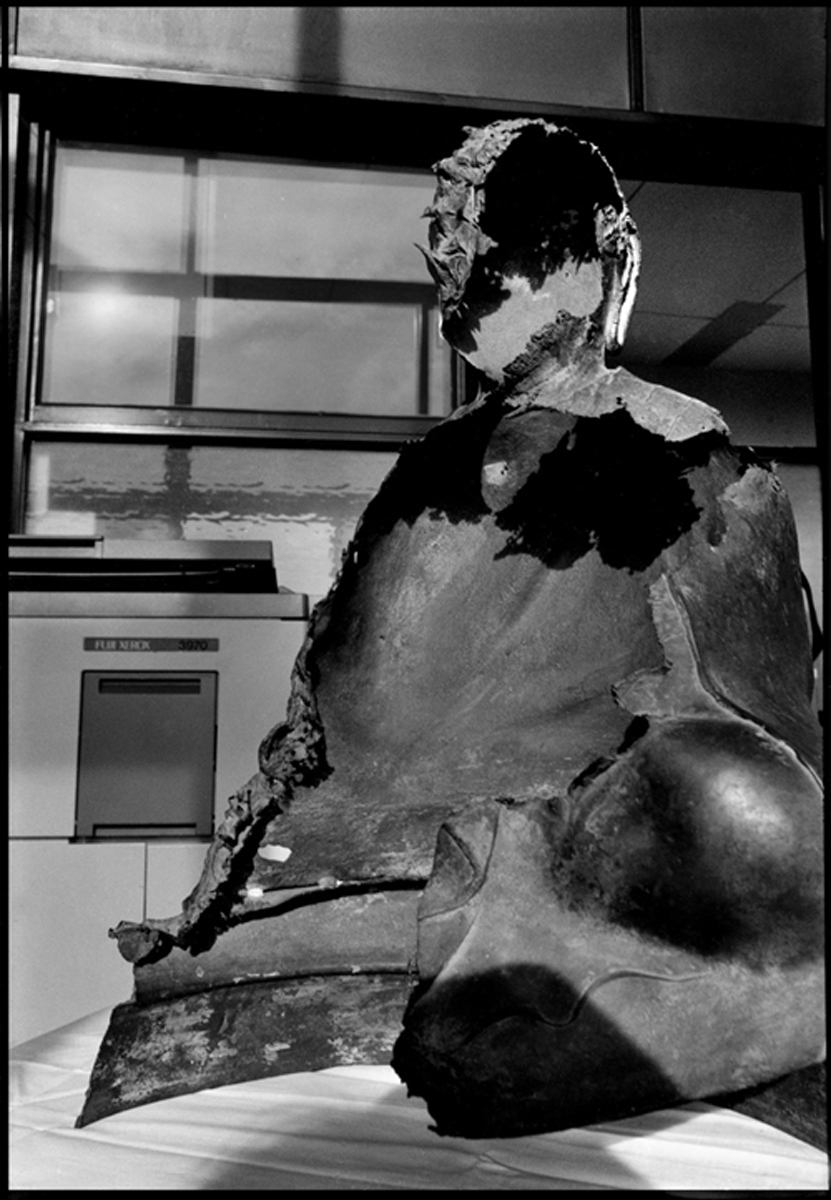
Bronze Buddha melted by heat. from the firestorm that turned Hiroshima to ash. Hiroshima Peace Museum


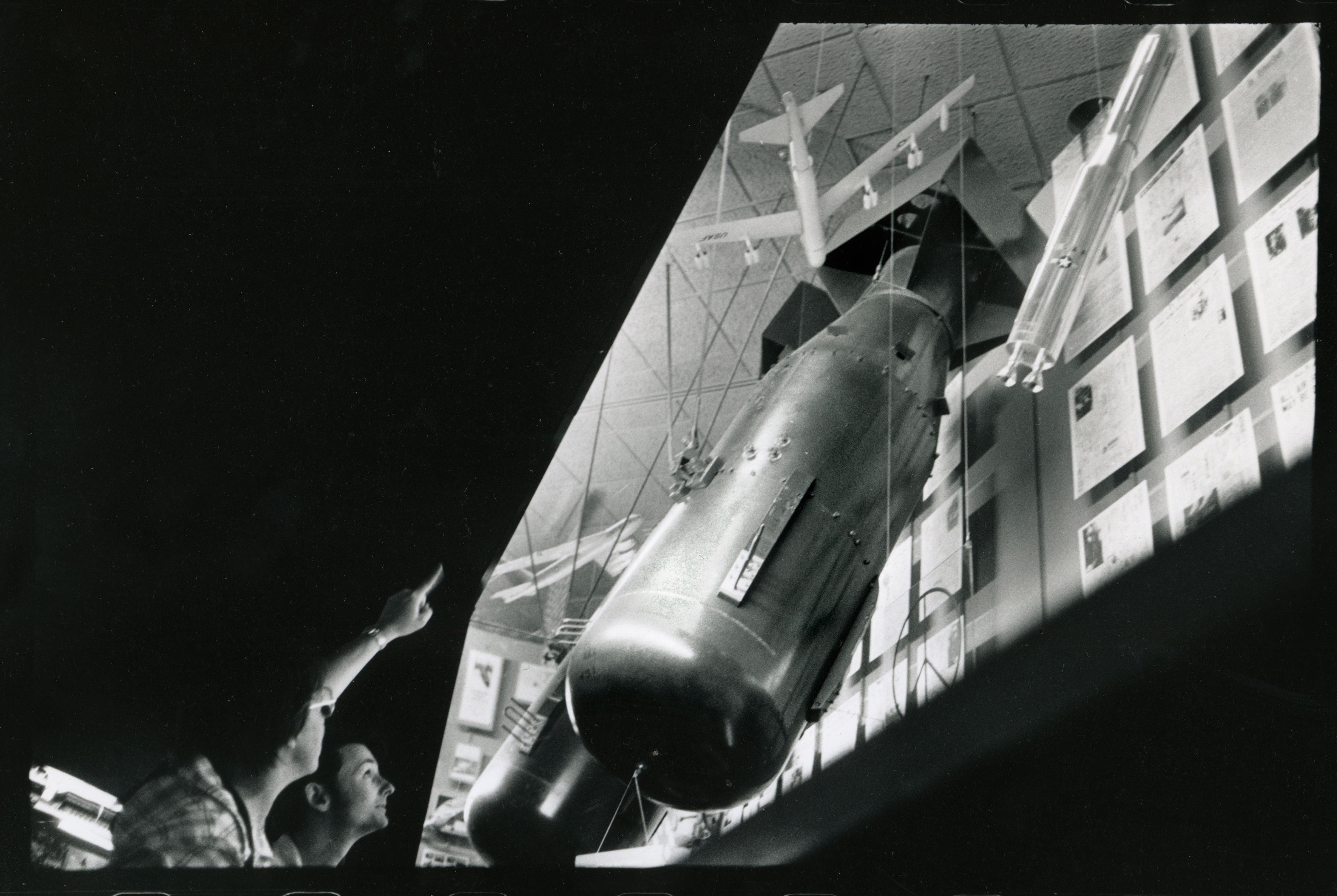
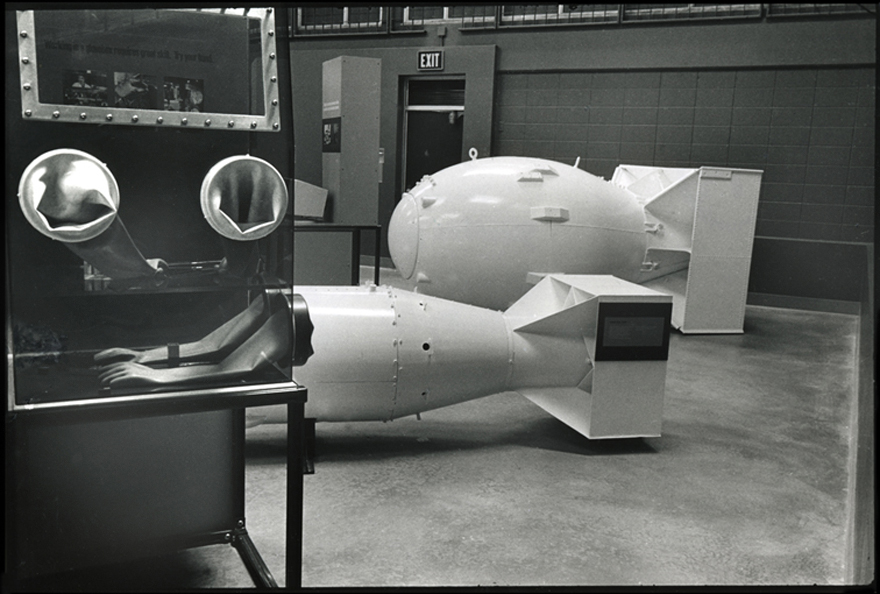
Replica of the Hiroshima enriched uranium Bomb and replica of the Nagasaki plutonium bomb. Los Alamos Museum of Science and Energy


Uranium is the mother element of nuclear weapons

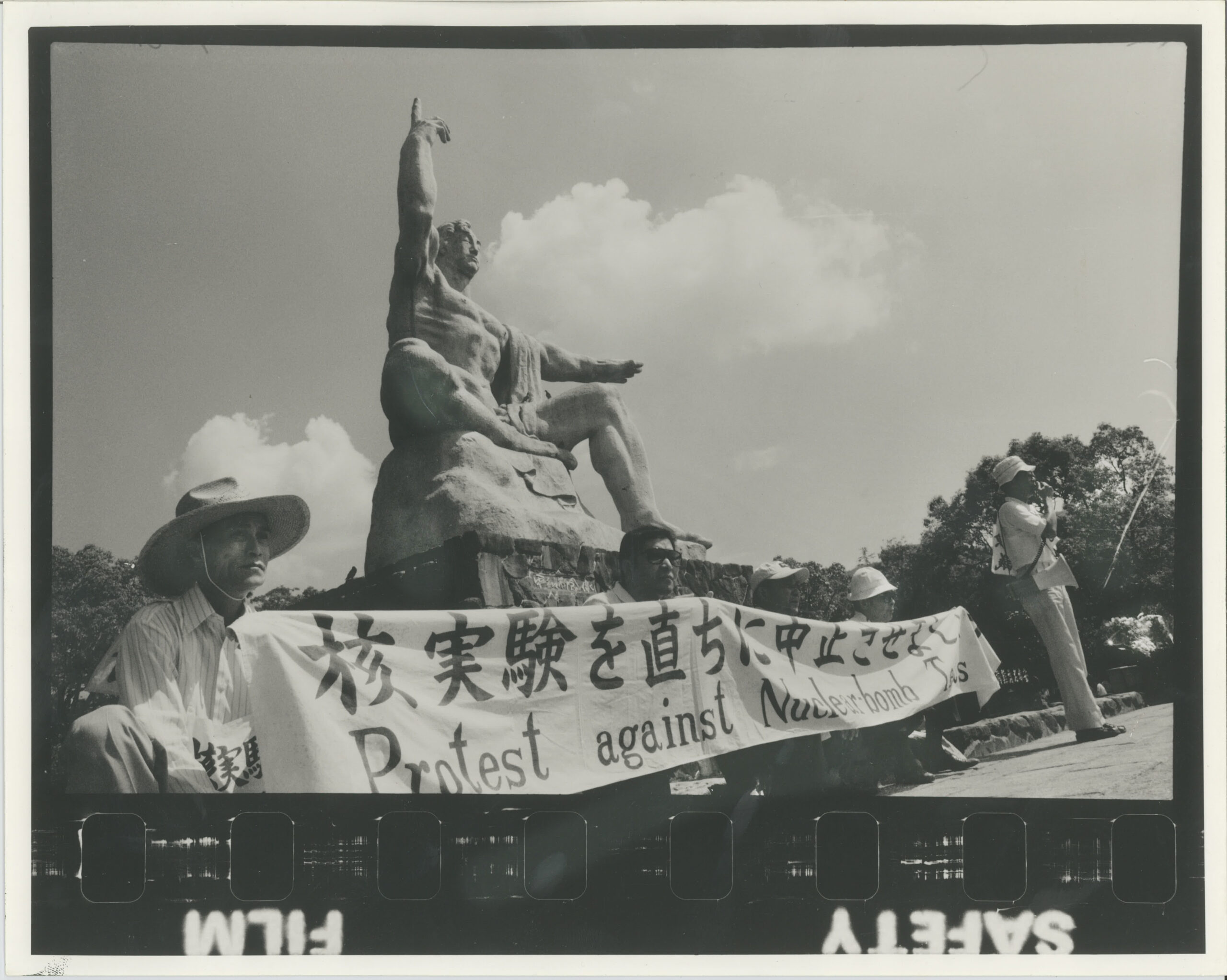
Nagasaki Peace Park: It hardly ever gets shown.Note how robust the Nagasaki’s Man of Peace is.

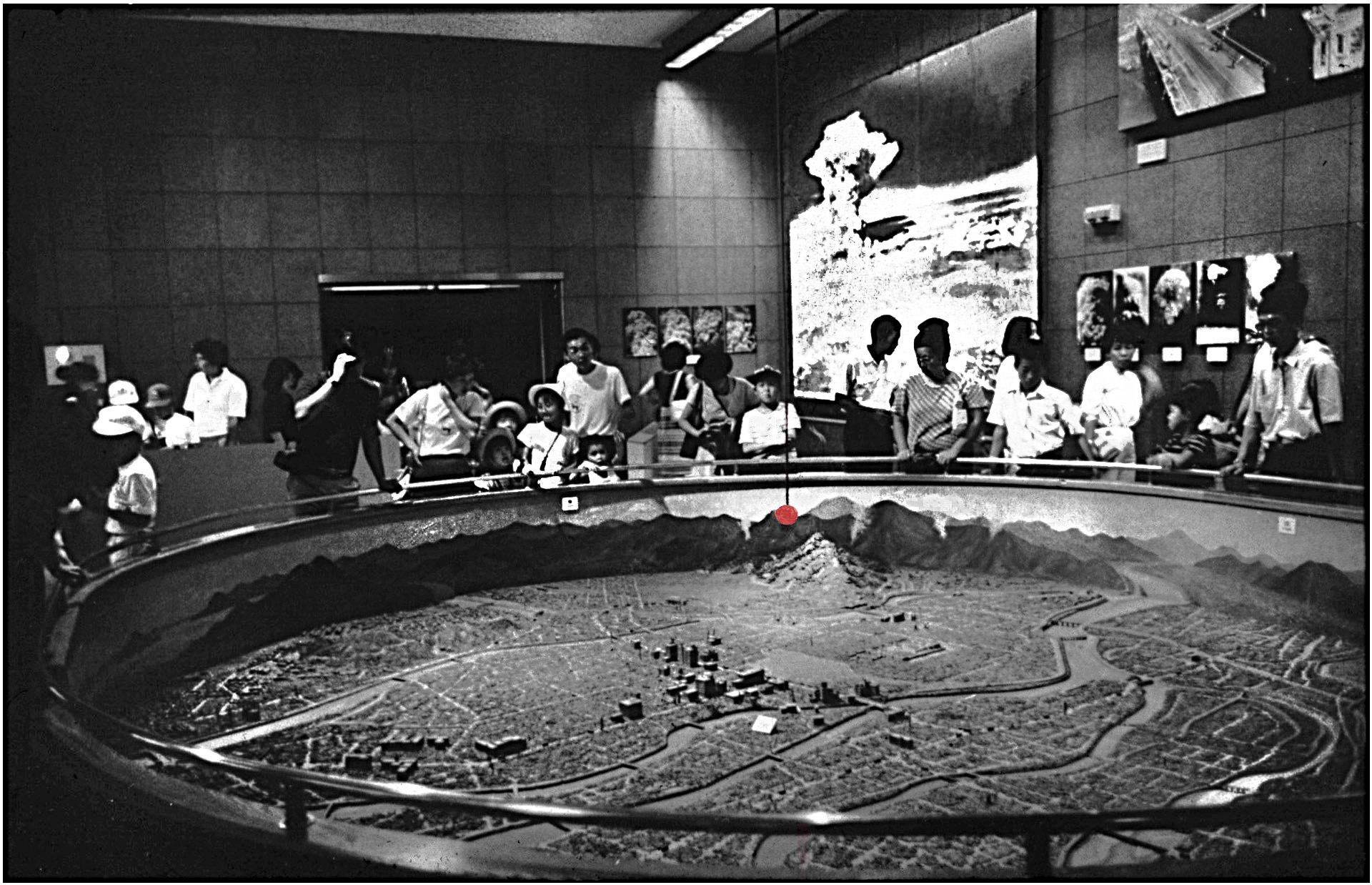

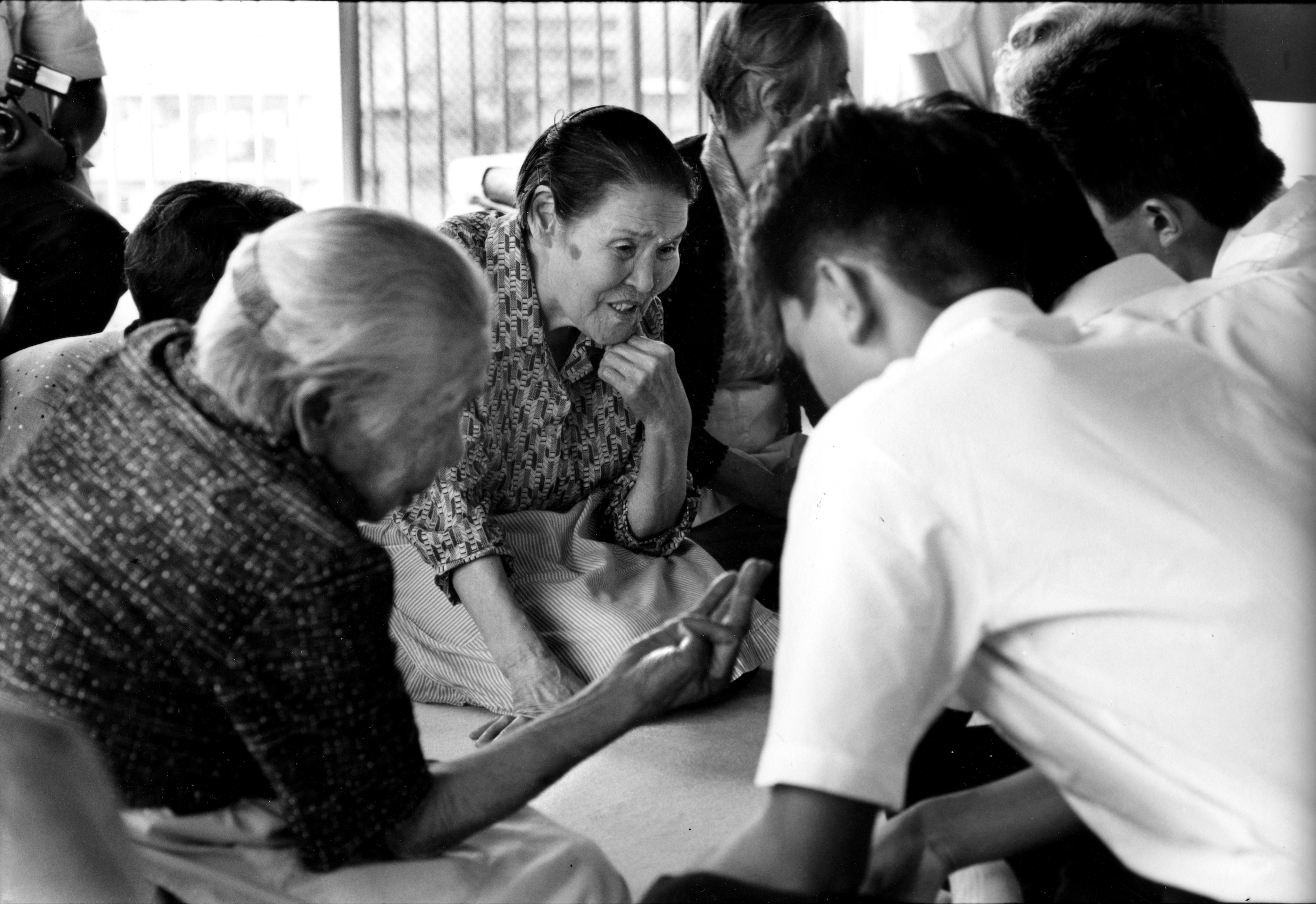
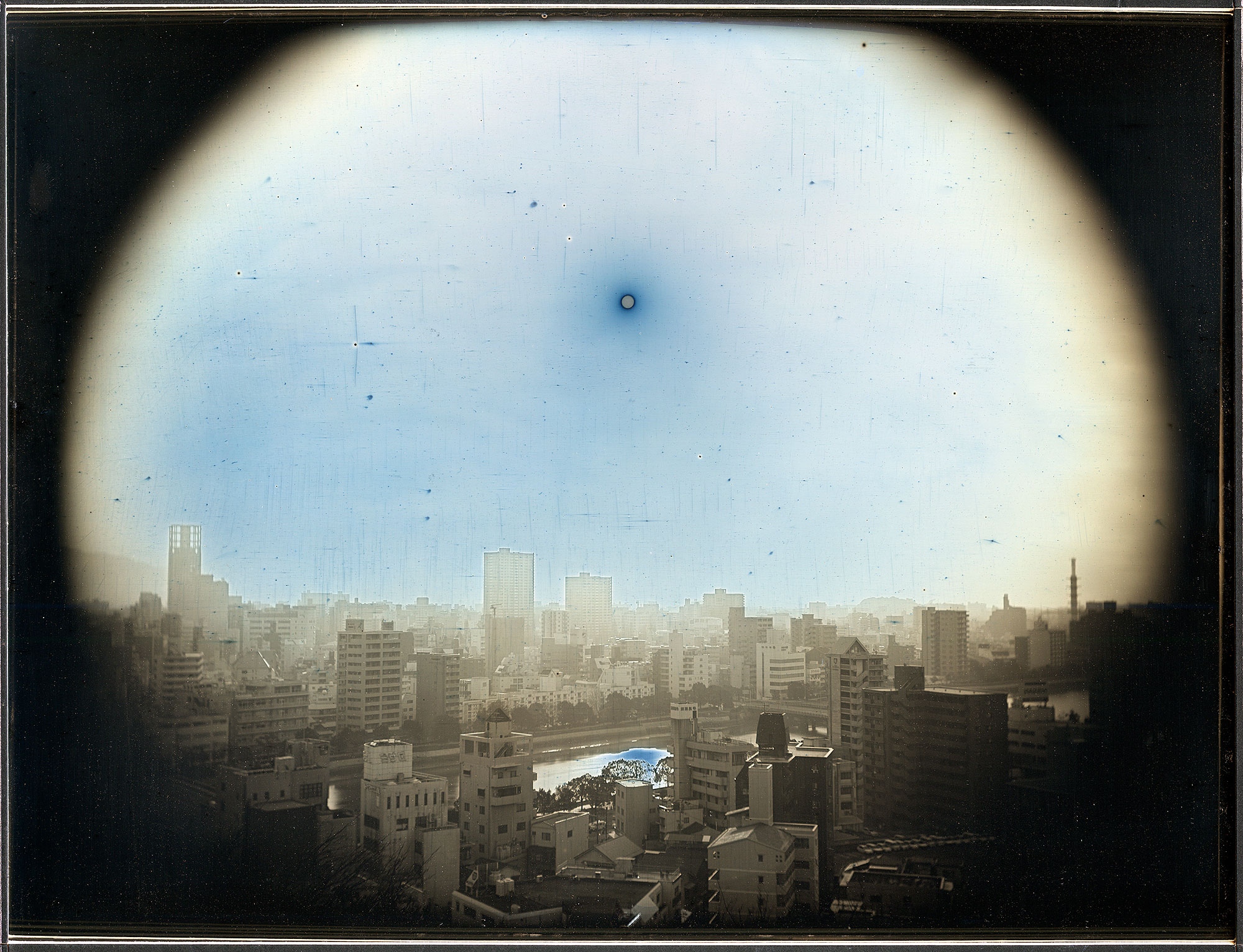
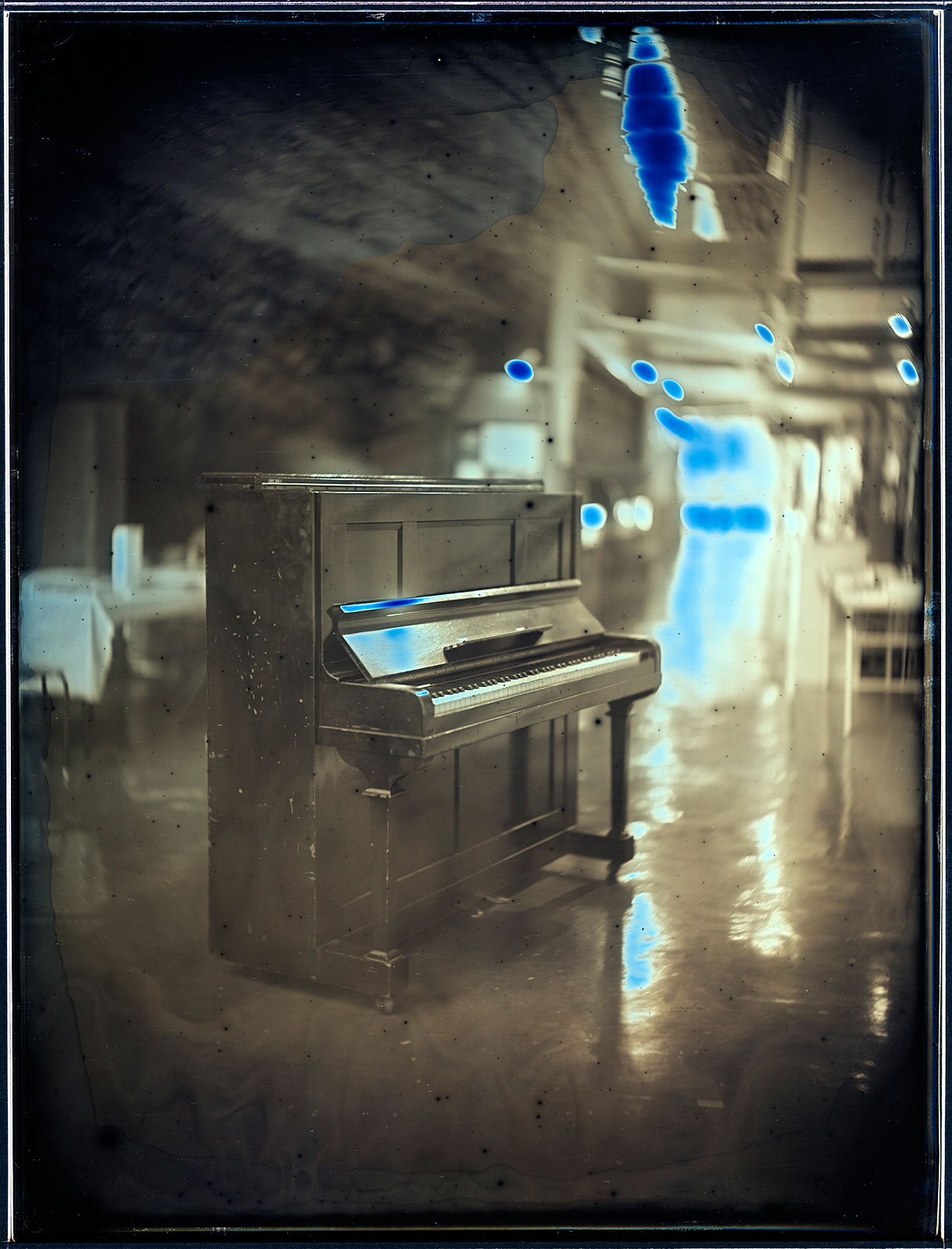
WORK BY APG MEMBERS ON THE 80TH ANNIVERSARY OF THE ATOMIC BOMBING OF HIROSHIMA AND NAGASAKI
Kei Ito, Katy McCormick and elin o’Hara slavick – “Memorializing the Hibakusha Experience”


Exhibition Opening:
“Memorializing the Hibakusha Experience”
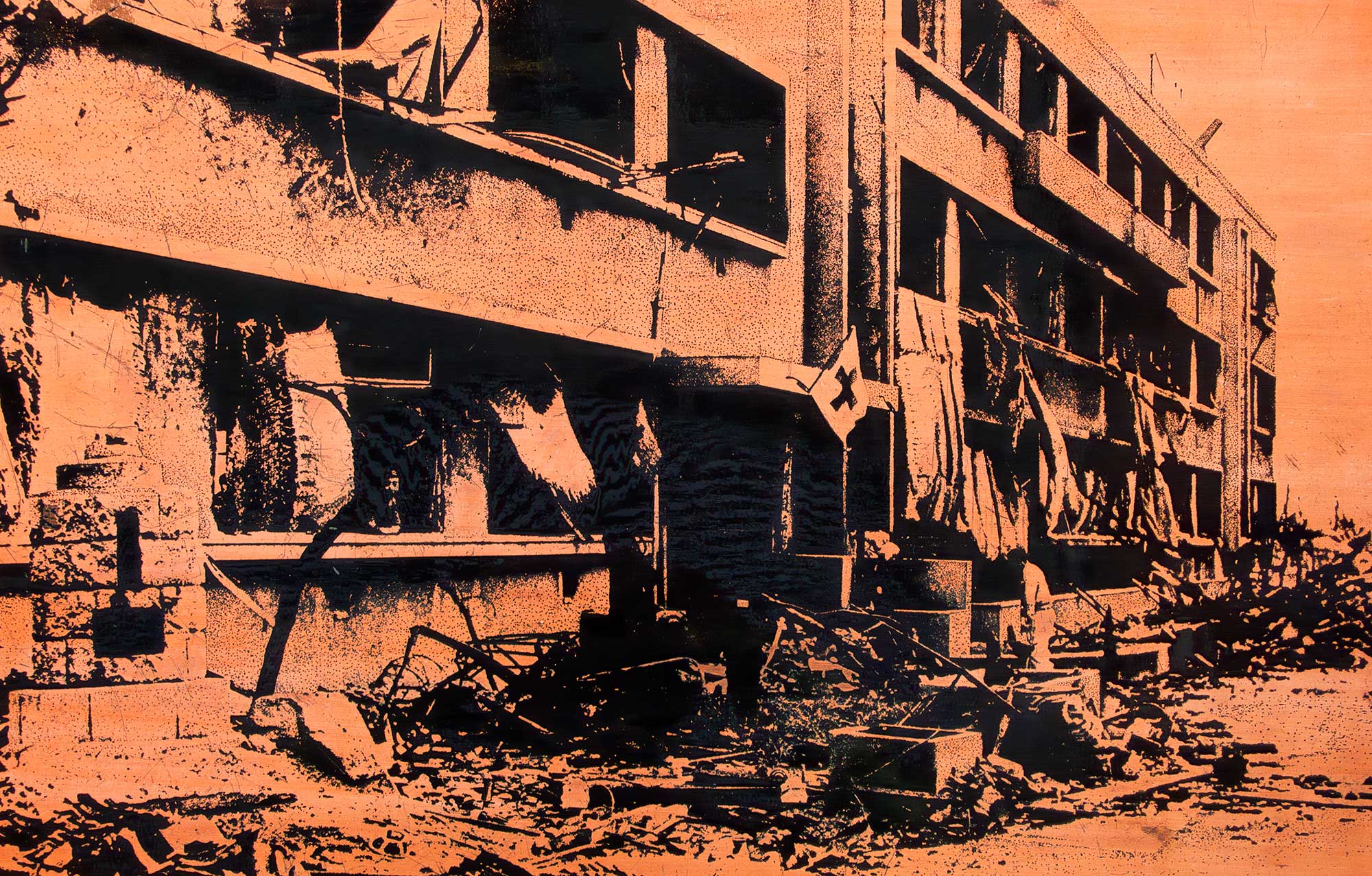
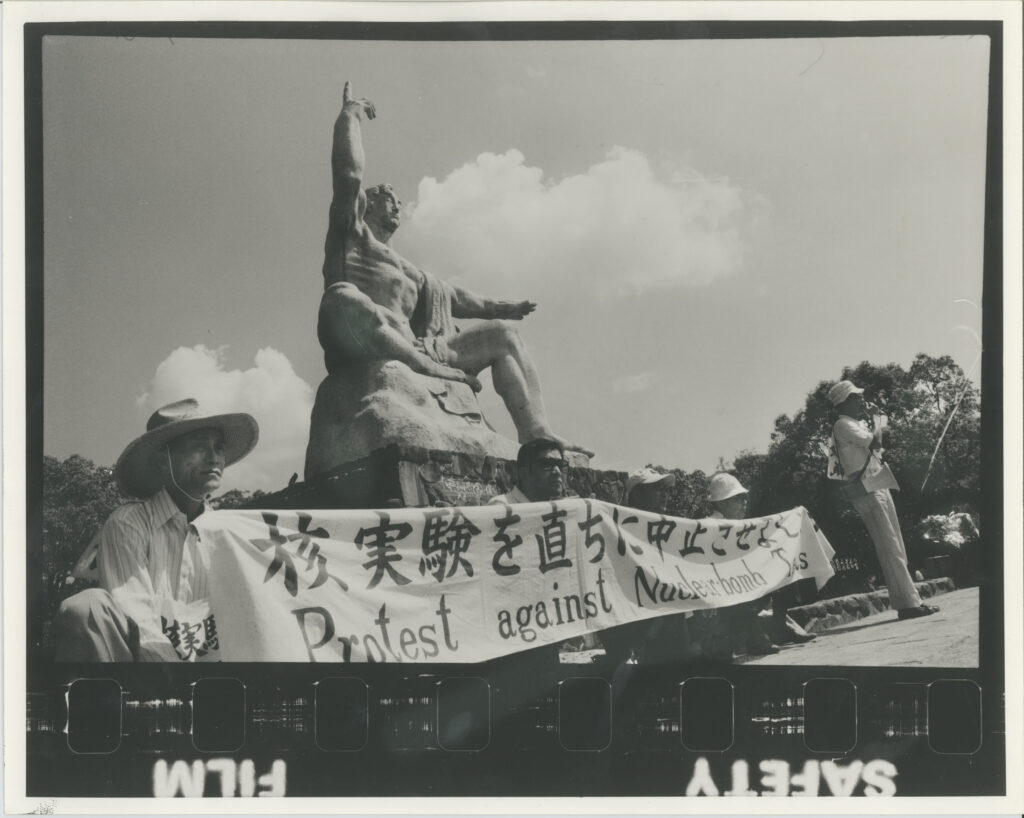
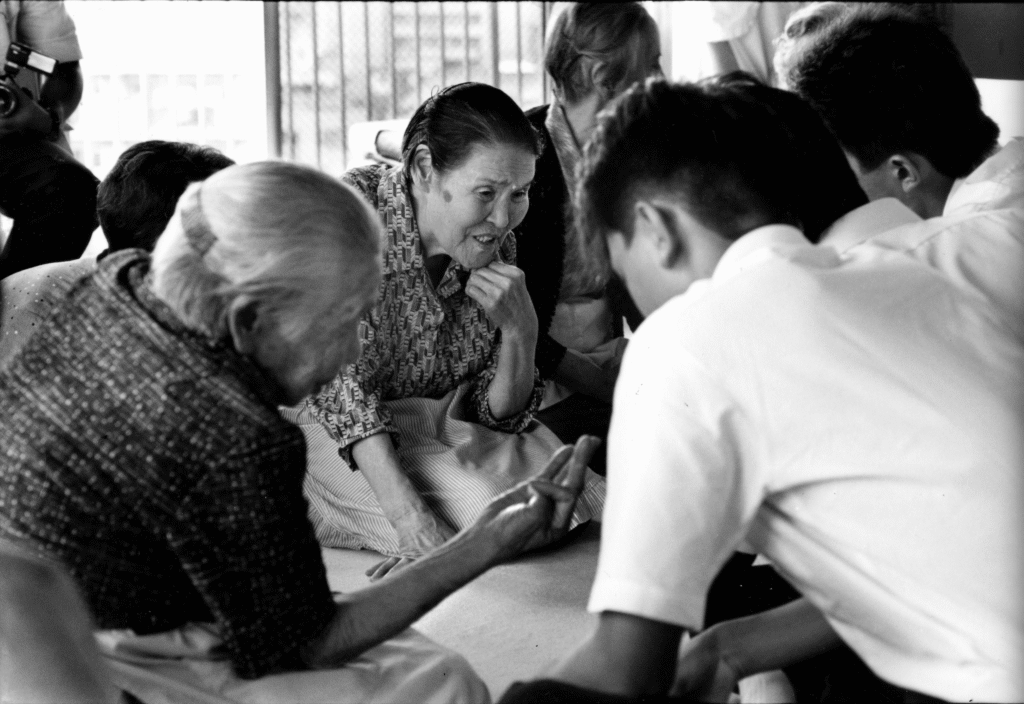
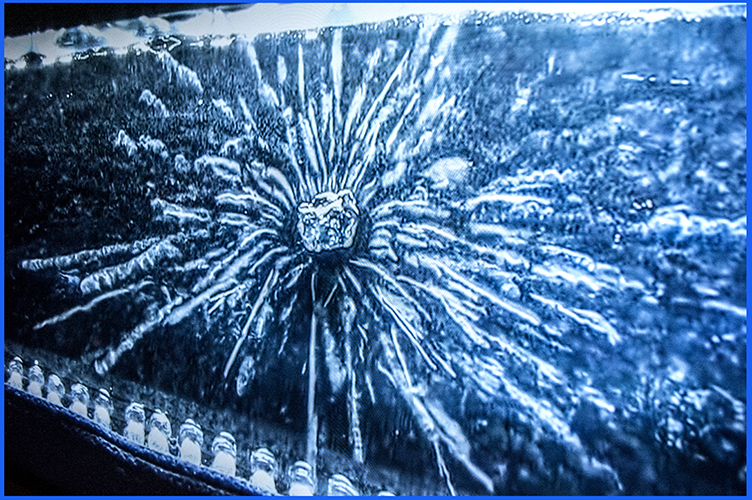
A major commemorative exhibition curated by Dr. Claude Baillargeon, Professor of Art History, Oakland University, devoted to the aftermath of the atomic bombings of Hiroshima and Nagasaki, Japan. The exhibition will feature the original Hiroshima and Nagasaki Memorial Collection of the Barbara Reynolds Memorial Archives. The collection was assembled in the 1960s by Quaker peace activist Barbara Reynolds (1915—1990), then a resident of Hiroshima, who dedicated herself to nuclear abolition by shining a light on the plight o
f the survivors known as hibakusha. The exhibition, which will bring together rare Japanese photographs, photobooks, and artifacts, will also include works by contemporary artists committed to nuclear abolition.
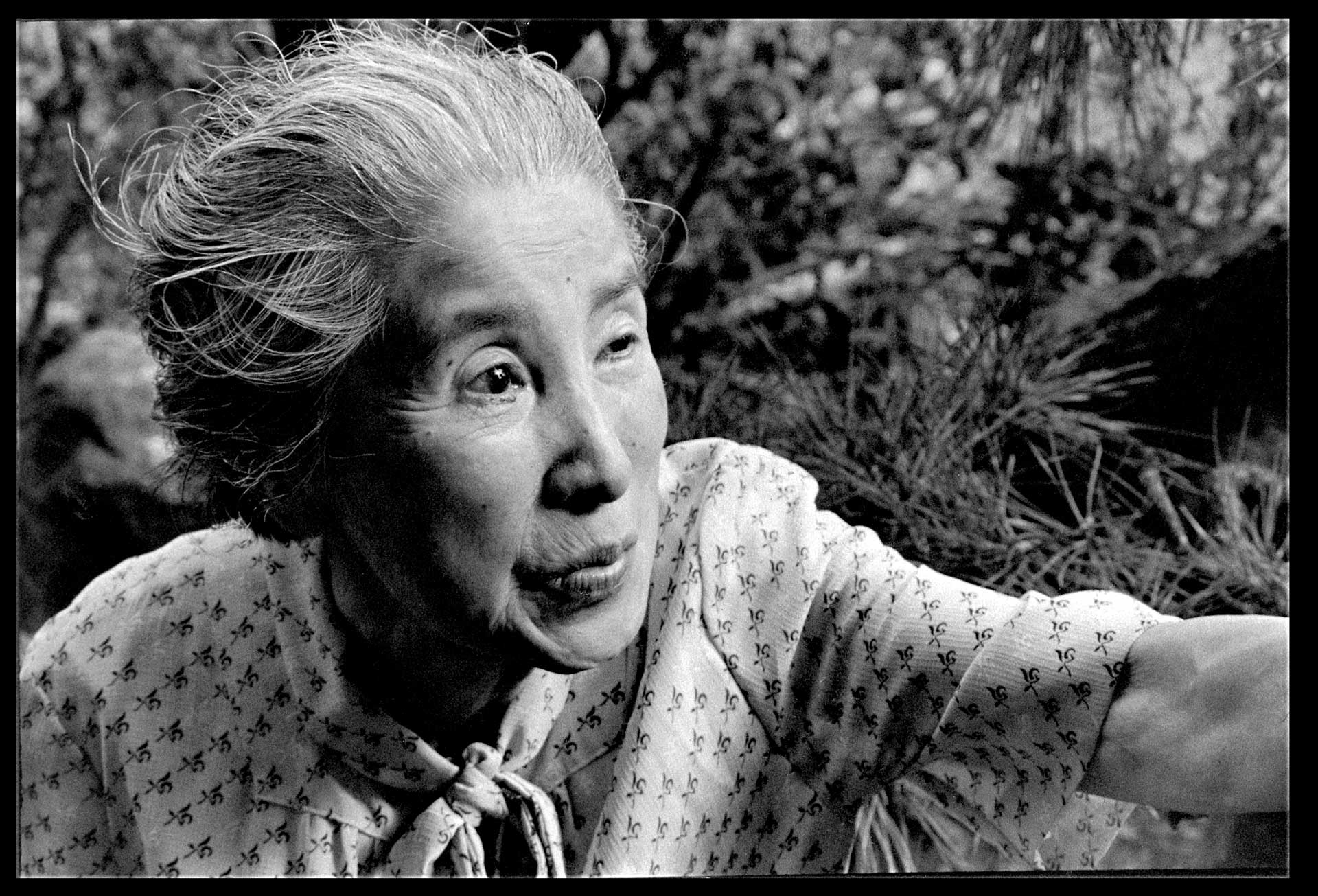
- Never before seen photographic images from the singular Hiroshima and Nagasaki Memorial Collection of the Barbara Reynolds Memorial Archives. (Expertly curated black and white 1950s and 60s photography by Japanese photographers, who documented the impact of the atomic bombings on those who experienced it)
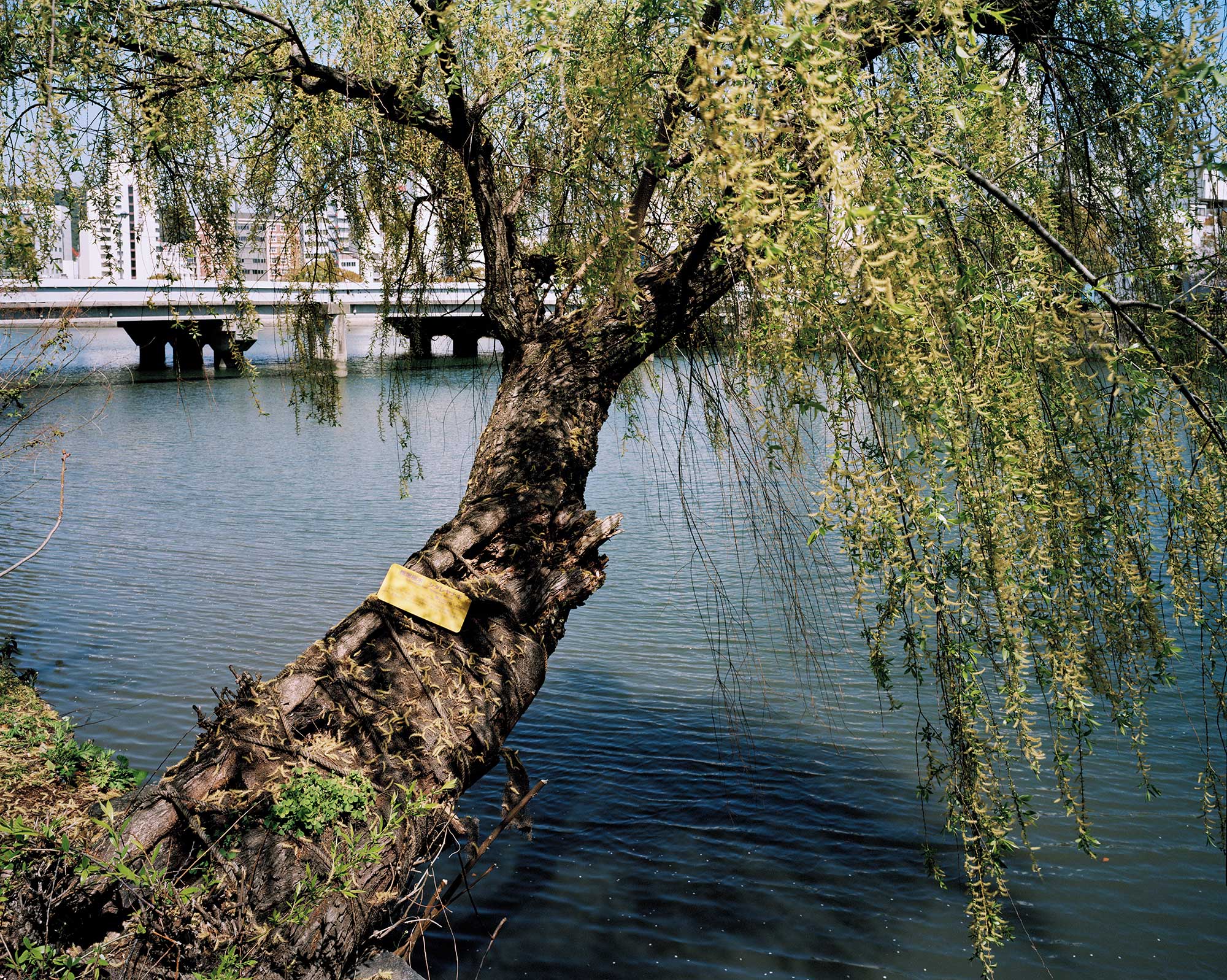
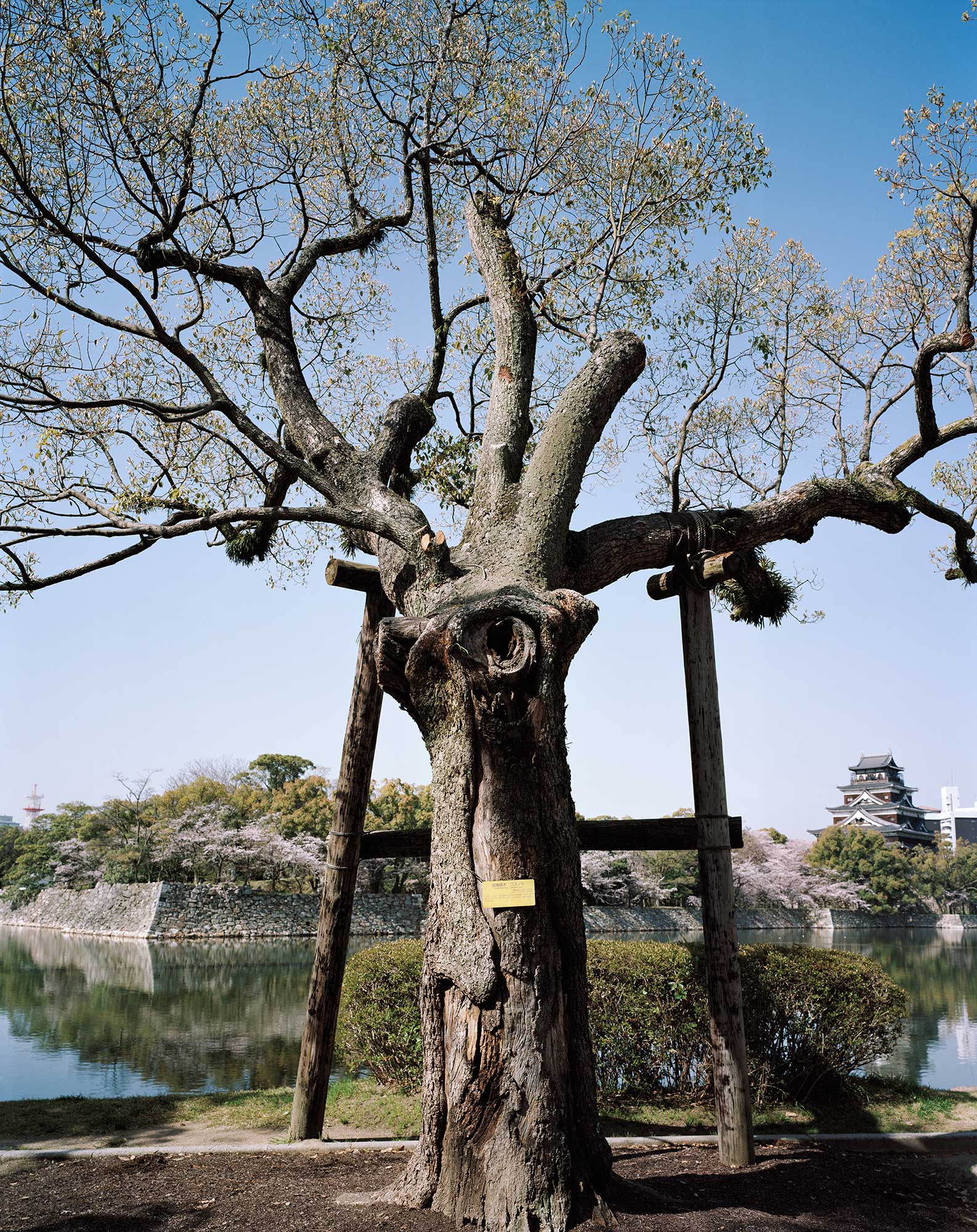
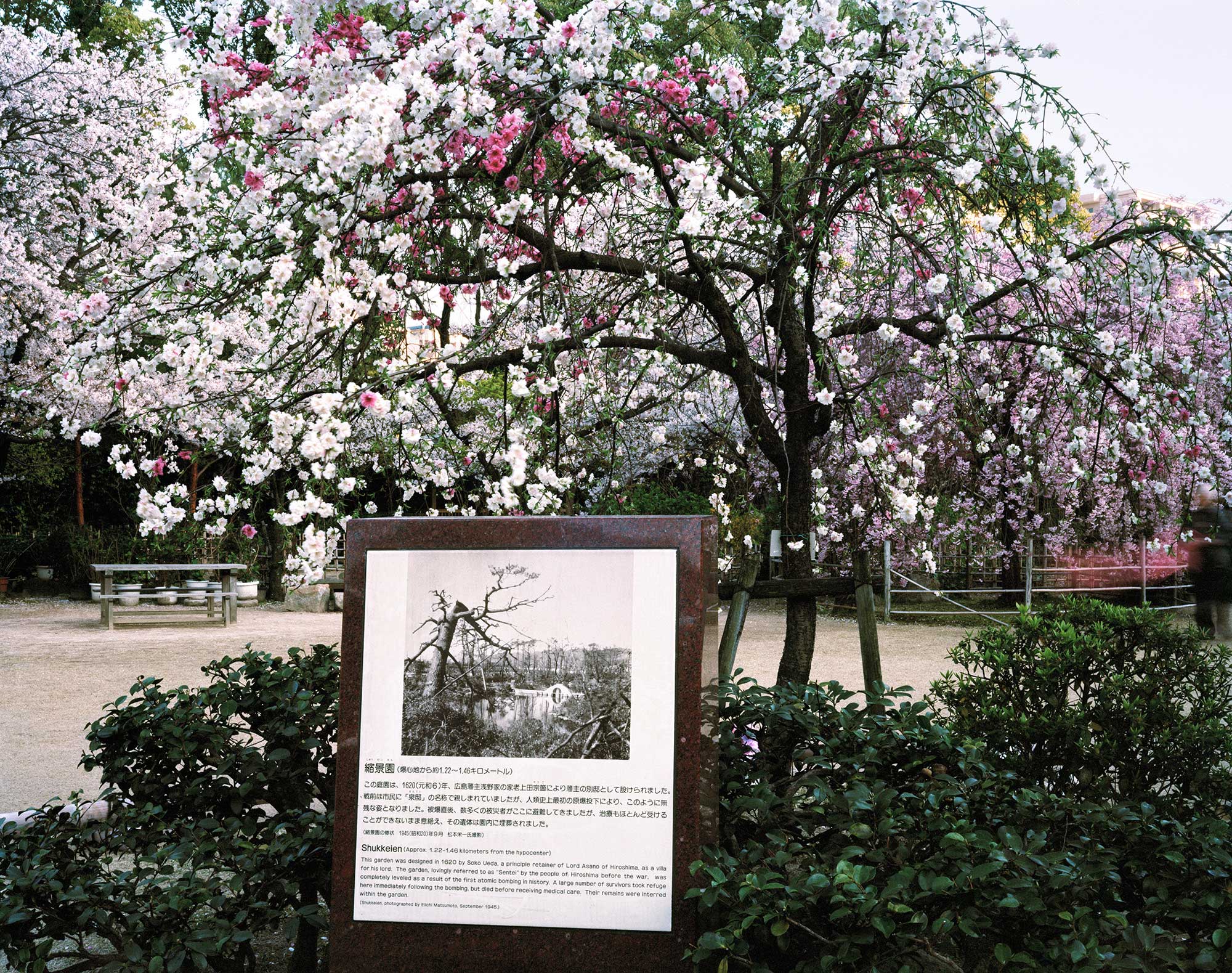
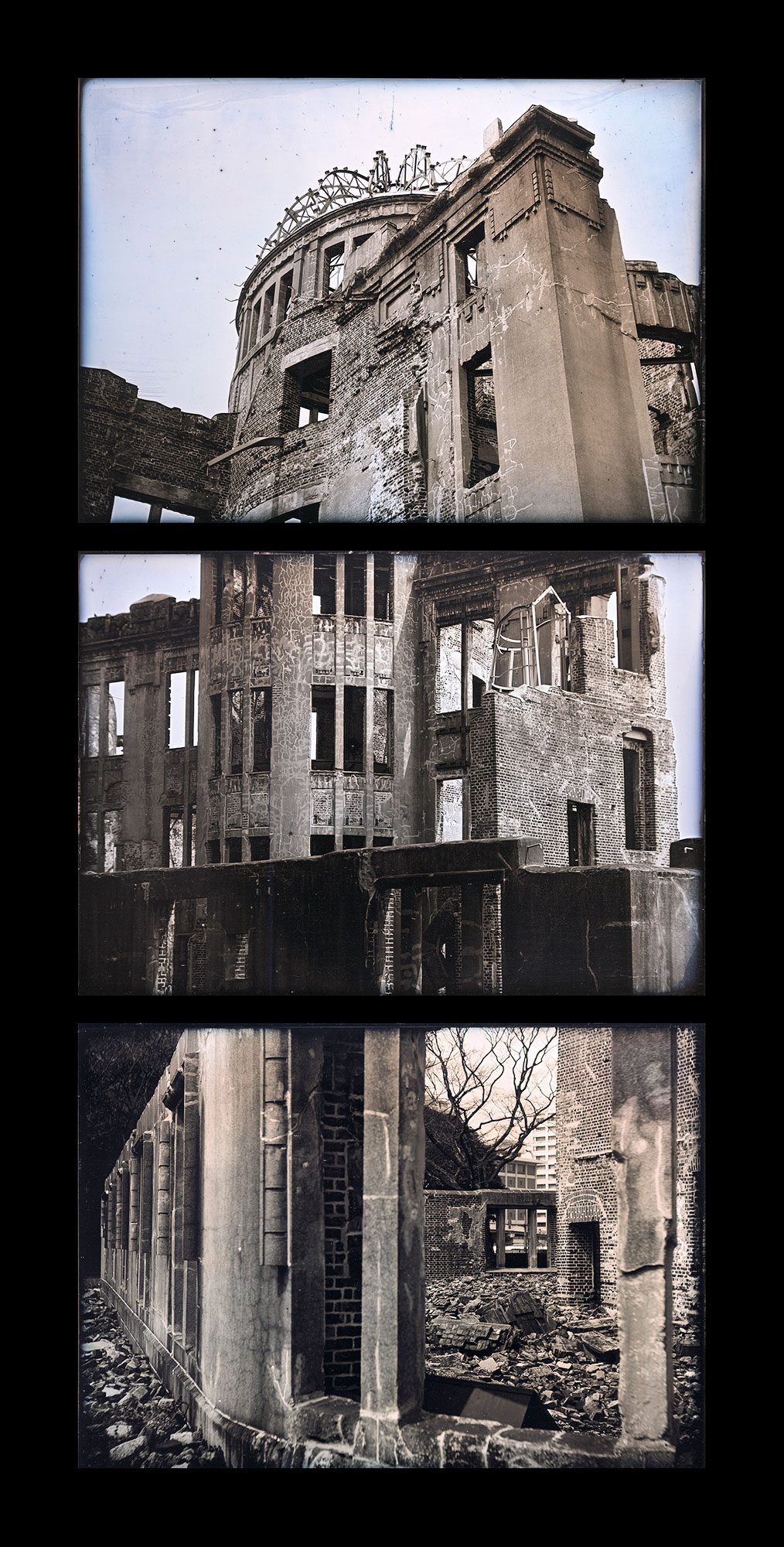
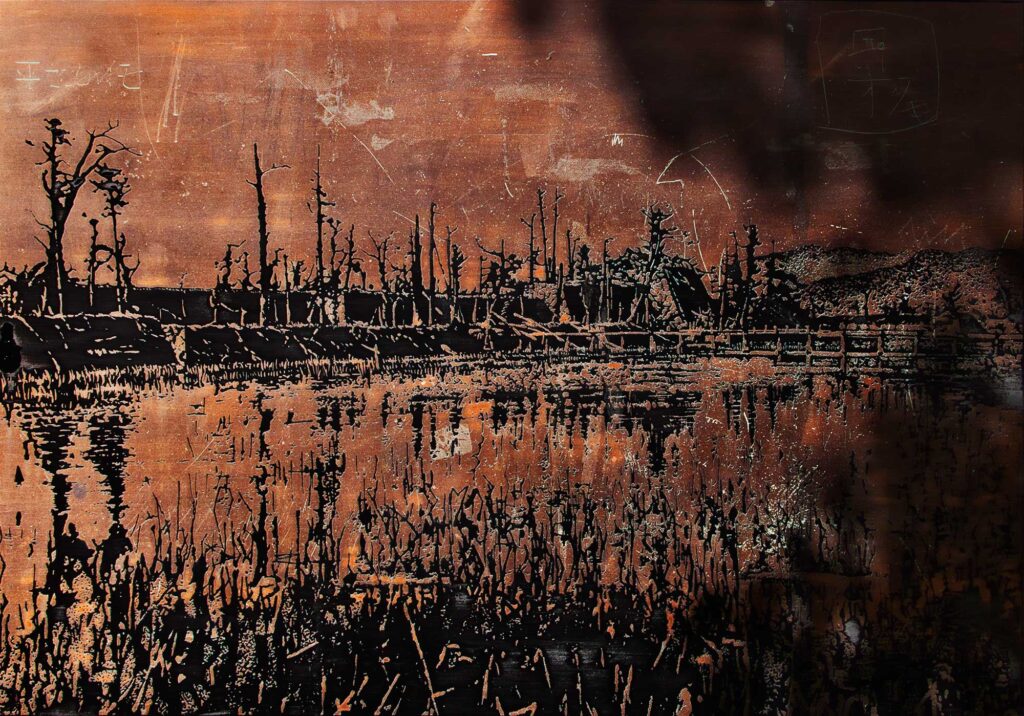
- Alongside works from four contemporary artists: Kei ItÅ, Katy McCormick, Migiwa Orimo, and elin O’hara slavick, placed in dialogue to reflect upon the nature of nuclear war and military violence.
- The reception will include a talk by curator, Dr. Claude Baillargeon and light refreshments.
To view all Peace Resource Center 50th anniversary events
in fall 2025 continue to scroll and also go to:
https://library.wilmington.edu/prc-50








































BULLETIN OF THE ATOMIC SCIENTISTS: Science, Power and Consequence: Luis Alvarez and the Atomic Age
The Manhattan Project united many of the greatest scientific minds of World War II, reshaping both the conflict and the modern world. Among them was physicist Luis W. Alvarez, whose central role in the development of the plutonium bomb and direct experience as a scientific observer at Hiroshima highlight the tension between scientific discovery and its ethical consequences. Alvarez defended the bombings, supported thermonuclear weapons development, and testified at the Oppenheimer hearing, stances that underscore the fraught legacy of the Manhattan Project in linking research, power, and society. This panel, hosted by the Bulletin of the Atomic Scientists, on August 21, 2025, examines these legacies through Alvarez’s story and the voices from Japan that must never be forgotten.


BULLETIN OF THE ATOMIC SCIENTISTS: Atomic Testament: Yoshito Matsushige and the first photos of Hiroshima’s nuclear toll
APG member and Nuclear Science and History Advisor, David Wargowski, wrote an article on Yoshito Matsushige’s images for the Bulletin of the Atomic Scientists: “Atomic testament: Yoshito Matsushige and the first photos of Hiroshima’s nuclear toll” that was published on August 6, 2025.
ALSO…
In 2024, the Nobel Peace Prize was awarded to Nihon Hidankyo, the Japanese grassroots organization founded by atomic bomb survivors. By amplifying hibakusha testimonies, the group has drawn global attention to the humanitarian toll of nuclear weapons and helped reinforce their moral stigma.
On August 6, 2025, Nihon Hidankyo chair Terumi Tanaka wrote in the New York Times urging more nations to join the UN Treaty on the Prohibition of Nuclear Weapons, in effect since 2021. Tanaka cautioned that countries — including Japan — are instead deepening their reliance on nuclear deterrence.
To mark the anniversary, the Gilder Lehrman Institute of American History hosted a special Inside the Vault program on August 7. The session featured documents from the Substitute Alloy Materials Laboratory at Columbia University and the Nash Garage, where Harold Urey, John Dunning, and colleagues developed the uranium enrichment process later used at Oak Ridge’s K-25 plant.
(These highlights were contributed by David Wargowski, APG Nuclear Science and History Advisor via the Atomic Heritage Foundation, who compiled the original list of anniversary events and historical references.)